|
Scotland’s NHS private finance bill revealed |
Related newsNHS is working to address “unacceptable” abuse Longest NHS waits a funding priority, says government Probe into future of NHS Scotland’s doctors underway NHS private care referrals at five year high Major shake-up in NHS service planning Mesh reimbursement scheme closing soon 
|
|
|
||
|
||
|
The NHS in Scotland faces a £7.5bn bill for Private Finance Initiative (PFI) projects that only cost £1.2bn to build – an increase of more than six times the original price tag.
Under PFI private consortiums build and maintain hospitals in exchange for annual payments, with interest, over the length of the contract, typically 25 to 30 years.
The last PFI contract in Scotland was signed in 2009 but repayments to private investors will stretch to 2041.
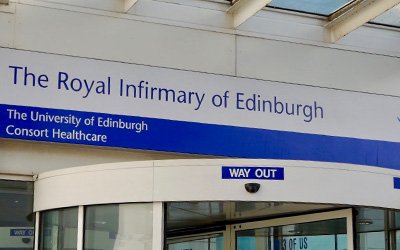
The largest projects include Edinburgh’s Royal Infirmary, which cost £180m to build but will end up costing taxpayers £1.1bn, and the Forth Valley Royal Hospital in Falkirk, with a construction cost of £293m but a final price tag of £1.8bn.
Starting from 2005 Labour and then the SNP brought in two new models to privately finance public infrastructure to address concerns PFI was not value-for-money.
healthandcare.scot revealed last year the replacements would still see taxpayers pay private companies more than £2.6bn over the lifetime of the contracts for projects worth less than £1bn.
Overall, the different private finance mechanisms will see the health service will repay a total of £10.1bn for assets with an upfront building cost of £2.2bn.
PFI schemes represent 55% of initial costs but take up nearly three quarters of the total repayment bill.
The figures were released by Audit Scotland following a request from healthandcare.scot. The public spending watchdog yesterday published a report looking at all types of private finance deals across the public sector.
Auditors found the taxpayer would end up paying more than four times the £9bn construction cost of the public buildings in question. Healthcare is the second most popular sector for these contracts, after schools.
Audit Scotland is advising caution when comparing the relative costs of different schemes because of differences in the services provided and private investors’ willingness to risk their money over time.
They also warn repayments stretching into future decades could leave public bodies with ‘potentially less funding available for other services’.
Speaking of the report, auditor general Caroline Gardner said: "The Scottish Government has accepted the costs of using these contracts to increase total infrastructure investment. But the impact on future budgets is significant, as is the overall amount of money that will be repaid."
Ms Gardner said a new finance model the Scottish Government was introducing would allow it to “be clearer” about the additional costs that come with privately financed contracts. |
