|
Unpaid carers could get virus protective gear |
Related newsShielding ‘not effective’ in preventing covid deaths FM won’t risk “shielding by default” for at-risk Scots Care home fears over rising community infections In full: Plea for caution from at-risk Scots ALLIANCE chief: It’s all about the money Community pharmacy project finds ‘hidden carers’ 
|
|
|
||
|
||
|
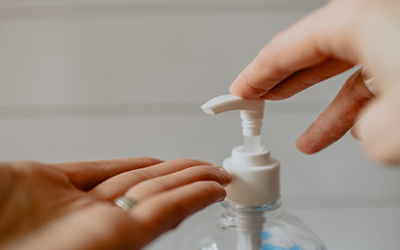
Organisations representing people looking after loved ones say the Scottish Government must prioritise equipping them with essential products like gloves, masks and hand sanitiser to protect them from coronavirus.
It follows widespread concern being voiced among people who care for family members about what would happen if they cannot support them.
Now charities are calling for the government to provide more support and to clarify what contingency plans are in place should carers become ill.
As the NHS in Scotland formally moves to an emergency footing for the next three months, a letter to NHS boards, councils and integration authorities this week reveals the Scottish government is looking at extending plans to provide Personal Protective Equipment (PPE) to unpaid carers and self-employed personal assistants.
Social care employers, meanwhile, have been promised they will be able access protective equipment to stop their employees getting the virus, supplied through a new central distribution centre amid concerns over widespread shortages.
Clarification is currently being sought that the arrangements “will also extend to self-employed personal assistants and unpaid carers who experience supply issues”, the government letter states, adding:
“Your help with communicating the message to these people when the time comes will be much appreciated.”
Carers Scotland director Simon Hodgson says carers need clear messaging about the support on offer:
“Carers need assurance that personal protective equipment will be available should they or any staff they employ through self-directed support need it. They also need clear information on procedures they and any staff coming into their home should follow to minimise the risk of infection and to provide safe care in the event that the person they care for, or indeed they themselves, become infected. This could be, for example, a local contact provided that they can get in touch with to access such equipment and local support.
“However, beyond this there are products carers often buy themselves such incontinence products, and items now in short supply such as wipes and disinfectant, which are essential to providing care. Carers need assurance that key processes will ensure that access to these vital products is maintained.”
The charity has set up a webpage with information and advice for carers.
Professor Ian Welsh OBE, chief executive of the Health and Social Care Alliance Scotland, is also calling for more support to be on offer:
“We welcome the potential measures outlined to ensure personal assistants and unpaid carers are supplied with all the necessary equipment to prevent infection, but still believe more needs to be done to reassure disabled people, people living with long term conditions and unpaid carers about contingency planning arrangements for themselves and the people they care for should unpaid carers and personal assistants become ill.
“The Scottish government has signalled its intent to provide further support related to particular long-term conditions during the covid-19 crisis. We again call for this to be produced quickly and all information provided in a wide range of accessible formats.”
A Scottish Government spokesperson said: “We absolutely value the support provided by unpaid carers and personal assistants across Scotland. We understand they are dealing with pressures that are already great, and that some may require protective equipment should the person they are caring for be symptomatic of coronavirus. We are currently working to identify the most effective routes to direct them to the support they need.
“Like everyone, unpaid carers, personal assistants, and people being cared for or supported should familiarise themselves with the public health advice on how to protect themselves from infection. As the situation is changing quickly, the guidance may also change, so people should make sure they are following the latest guidance.”
Tags: Infectious disease; Unpaid Carers. |
