|
Insight: Don’t rush to a national care service |
Related newsChief Medical Officer: ‘Critical connections’ priority Programme for Government: the reaction FM signals national pay bargaining in NCS Government review admits care home ‘search for blame’ Care staff could be ‘forced’ into skipping isolation Staff isolation changes to be used “in extremis” 
|
|
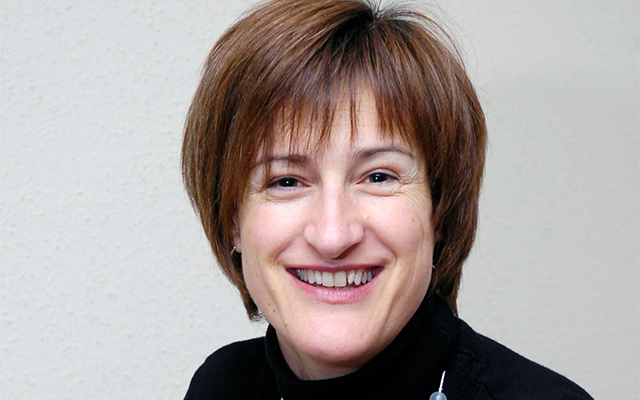
Annie Gunner Logan
|
||
|
||
|
The head of the body representing charitable social care providers in Scotland has warned against a rush to “glib solutions” such as creating a national care service, in the wake of the covid-19 crisis.
Nicola Sturgeon became the latest politician to back a move to a national service, which could see private and third sector providers that deliver the vast majority of care home places and care at home support, effectively nationalised.
But Annie Gunner Logan, of the Coalition of Care & Support Providers in Scotland, which promotes the interests of third sector and not-for-profit social care and support providers across the country, is urging caution.
Most immediately, she says, because the social care sector “is still in crisis mode”.
“My worry is that solutions are being proposed before we have properly understood and digested what covid has revealed about the way we have organised the system up until now.”
“A national care service is not an answer if nobody can explain what they mean by it – and I haven’t found anyone who can do that yet.
“The idea that a national service could wipe us all out and everything would be taken back in house – it’s getting to a solution before you have understood the problem.”
Ms Gunner Logan says the “absolutely unfathomable tragedy of enormous magnitude” that has unfolded in care homes has made it imperative we reach for more than just “glib solutions”.
“Yes, it’s imperative to make things better, but we can’t just leap over what we are seeing in front of us in an effort to reach a solution.
“There are two things that are absolutely imperative here. One is the quality of what is provided calibrated against the cost.
“The other is the choice and control of the individual concerned.”
A funding regime that sees councils routinely pay more to their own care services than they allocate to external providers, whether businesses or charities, are particularly controversial in the sector.
Speaking to heathandcare.scot earlier this year, the national health and social care lead for Scotland’s local authorities, Councillor Stuart Currie, defended the practice.
If councils were to pay external organisations the same rate for care “you would be as well doing it yourself,” he said.
But Ms Gunner Logan points to a “very consistent pattern” of non-profit and voluntary providers having better inspection grades than public and private sector care services.
She also fears importing a “top-down, command and control” model from the NHS would undermine people’s ability to make their own decisions about their care and support – a principle that has been backed by all parties at Holyrood through self-directed support legislation.
“If we are actually talking about imposing a monolithic system on everybody and removing choice and control, how do we square that with everything we have believed that social care should be based upon until this point?” the CCPS head asks.
Many in the voluntary and not-for-profit sector have responded “magnificently” to the pandemic, says Ms Gunner Logan.
“Having been very, very severely challenged by a whole number of things including access to PPE and testing – they have been absolutely, exceptionally brilliant.”
Sign up to our bulletin sent twice a week so you don’t miss out on the latest health and social care news. Tags: Infectious disease; Social Care. |
