|
‘Substantial gap’ in young Scots mental health help |
Related newsLack of mental health support sad but no surprise Briefing: Mental Health in the manifestos Inpatient CAMHS care too variable Loneliness: a public health crisis for Scotland Skin test could predict self-harm 
|
|
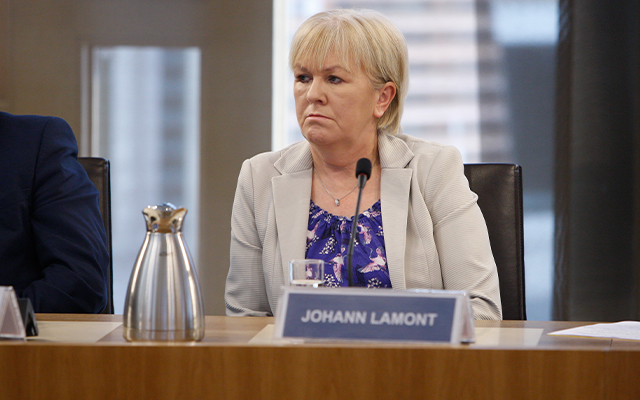
Johann Lamont MSP - image courtesy of the Scottish Parliament
|
||
|
||
|
Inadequate government measures paint a ‘troubling picture’ when it comes to early mental health support for young people in Scotland, according to a report from MSPs.
Holyrood’s public petitions committee says that despite efforts to improve the provision of early intervention mental health services, more needs to be done to ensure that young people feeling low or anxious can access advice and support ‘at the earliest opportunity’.
Today’s report comes after a committee inquiry instigated by a petition lodged by Annette Mackenzie after the death of her daughter from an overdose of prescription medication.
The original petition called for consultation with, and consent from, a parent or guardian before medication to treat a mental health issue is prescribed to someone under 18 years of age.
Although the committee did not support this move, members say they back current guidance which asks GPs to encourage patients to speak to their families.
But evidence submitted to the committee during the inquiry has raised concerns about the experiences of young people seeking help, particularly for the first time.
Some said they felt ‘cast aside’ by their doctor despite obvious signs of distress which in some cases would escalate to self-harm and attempts at suicide.
A lack of awareness of what initial support is available has often led young people to being inappropriately referred to Child and Adolescent Mental Health Services, the report states, only to be rejected for not meeting NHS board criteria.
MSPs welcome a government commitment to ensure every secondary school pupil has access to counselling services but warn this alone will not be enough.
They lay out recommendations that include the compilation of local inventories of mental health services so professionals can signpost young people to the best sources of support.
Members are also calling for state authorities to set out clear pathways to support young people seeking help by the end of this year.
Trainee teachers should also be undertaking mental health first aid training by the start of the academic year 2021-22, the committee says.
Committee convener Johann Lamont paid tribute to petitioner Annette McKenzie for campaigning “in circumstances which no parent should ever have to face”.
Ms Lamont said: “During the committee’s work on the inquiry, we have found a troubling picture.
“Though anyone can experience low mood, anxiety, or both, at some point in their life, when it comes to seeking support, young people often find themselves facing a cluttered and even confusing landscape, which too frequently does not provide the support needed.
“While the committee welcomes those measures announced by the Scottish Government to improve the situation, these are not enough to address the substantial gap that remains in the provision of mental health services, or to improve understanding of the help available.
“Therefore, we believe that the Government should work urgently with authorities to ensure that not only is there sufficient provision available at the local level, but that this is clearly communicated and easily accessible, both for young people and those they are turning to for help.
“The need for this work will only be increased by covid-19, and its consequent impact on young people’s mental health.”
Last month the Mental Health Foundation Scotland issued a warning over the psychological impact of the pandemic on young people’s mental health, and called for action to prioritise health and wellbeing when pupils return to school in August.
Responding to today’s report a Scottish Government spokesperson said: “We do not want any child or young person to wait longer than they should for mental health treatment which is why we wrote to health boards earlier this month to emphasise that these services should be a clinical priority.
“As part of this correspondence we have asked health boards set out plans for recovery of mental health services in their covid-19 mobilisation plans and our guidance on continuity in learning makes it clear that specific attention to pupils’ mental health and wellbeing will need to be considered when schools return.
“In March we announced £2m of new funding to local authorities to support the planning and development of new community mental health and wellbeing services for five to 25 year olds, their families and carers.
“We have also given £105,000 to support Young Scot to create Aye Feel, an enhanced digital mental wellbeing resource for children and young people, as part of a £1m wider package of investment for mental health services.
They added: “We have also confirmed an investment of more than £1m to expand the distress brief intervention programme from the four existing pilots in Lanarkshire, Borders, Aberdeen and Inverness, across the whole of Scotland, to support young people presenting to frontline services in distress during these challenging times.”
“We know lockdown is putting a strain on the mental health of many children and young people, which is why we are working closely with health boards to maintain the integrity and quality of services across Scotland during the coronavirus pandemic and, looking forward, to recovery.”
Sign up to our bulletin sent twice a week so you don’t miss out on the latest health and social care news. Tags: Child Health; Mental Health; Scottish Parliament. |
