|
MSPs accused of undermining trust in NHS |
Related newsFrom 14 to 5 – one lesson from Denmark Sceptical response to government’s care proposals Collective bargaining promised for social care Bid to block IJB voting rights extension Councils warn of social care cuts ahead Health and care in the Scottish budget 
|
|
|
||
|
||
|
A Holyrood report calling for a complete overhaul of NHS Scotland’s medicines system risks damaging the public’s trust in the health service, Scottish health secretary Jeane Freeman has said.
In June of this year the Scottish Parliament health committee outlined a raft of concerns with the health service’s medicines system, through which roughly £1.8bn is spent on drugs for patients every year.
Now Ms Freeman in her official response to their inquiry report has accused MSPs of going “far beyond” their initial remit and “unfairly and unjustifiably” criticising people giving evidence.
Controversially, the committee claimed doctors “instinctively reach for the prescription pad” rather than taking the time to consider social prescribing or taking patients off long-term prescriptions.
healthandcare.scot is convening an online seminar with the report’s authors and its critics. Join us with the health committee’s convener, GPs and pharmacy leaders as we look into claims that prescribers are too often defaulting to a ‘pill for every ill’.
MSPs claimed the NHS is routinely failing to collect information about the impact different medicines have on patients.
The report’s publication prompted a swift response, with the British Medical Association and the Royal College of GPs describing claims in the report as “deeply unfair and inappropriate”.
NHS Scotland pharmacy leaders also hit back, claiming aspects were “wholly unjustified”.
Now the Scottish government has accused the committee of publishing a report that contains “misunderstandings, inaccuracies and inconsistencies” and fails to grasp which powers are devolved to Scotland or reserved to Westminster
In the government response just published, Ms Freeman outlines steps the government is taking to address areas of concern but does not address each of the 129 recommendations the report made.
Writing that the health service did not run out of medicines during the covid-19 pandemic, Ms Freeman says it is ‘disappointing that the committee’s report risks damaging the people of Scotland’s trust in the NHS and the care that it provides’.
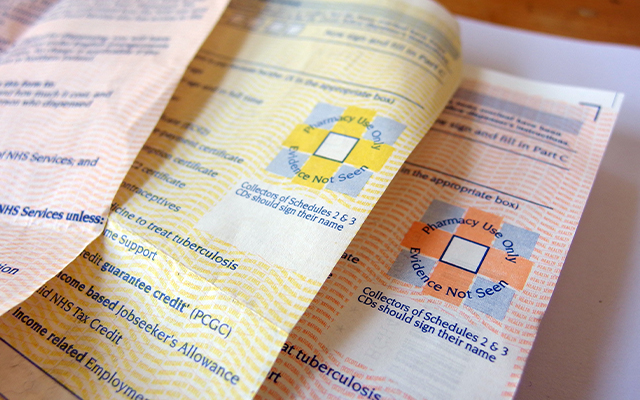
The response reveals St Andrew’s House civil servants are in the early stages of developing an electronic prescribing system for primary care as the first step towards an electronic health record across primary, secondary and social care, potentially doing away with paper-based prescribing.
However, the Scottish government admits there is ‘minimal’ provision to collect information about the ‘outcomes achieved by particular medicines or among particular groups’.
This shortfall is identified as a key constraint preventing the NHS from using more sophisticated models of paying for drugs.
The time pressures of preparing for a no deal Brexit and more recently responding to covid-19 have also held back changes to medicines purchasing, the response states.
Elsewhere the Scottish government admits recent practices of funding community pharmacies on a yearly basis has ‘not favoured the development of pharmaceutical care services’.
The government has since moved to guarantee pharmacy funding for three years at a time, up to the end of the 2022/23 financial year.
Supporters – If you can help support our reporting for Scotland's health and social care community, please head to our donations page.
Bulletin – Sign up for all the latest news and events. |
