|
Concerns £500 ‘thank you’ bonus will hit benefits |
Related newsFixing social care funding must be council “priority” ‘Too many missing out’ on palliative care Social work leaders welcome new care reform plans Health and care in the Scottish budget Voluntary health and care: a sector in crisis? SDS in practice ‘contradicts its aims’ 
|
|
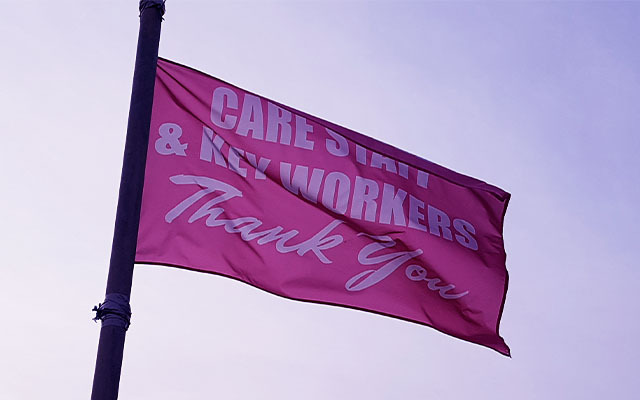
© Sarah Nimmo
|
||
|
||
|
The Scottish government has ‘failed to realise’ the potential disruption the £500 thank-you payment could have for care workers who rely on benefits to make ends meet, according to a major union.
Even if the £500 payment is spread out some workers could still have their benefits reduced as a result, UNISON has told healthandcare.scot.
Health Secretary Jeane Freeman said any workers with concerns should speak to the Department of Work & Pensions.
A letter sent to NHS senior management by the Scottish government addresses the concerns of some workers that payment of the bonus would affect their benefits, including Universal Credit, and states they can opt out of the payment while they consider any implications.
Health Secretary Jeane Freeman said it would be a temporary move to give workers time to assess the impact on their benefits and the payment could be split into three instalments to reduce any reductions.
But arrangements for the care sector are yet to be finalised.
Deborah Clarke, Head of Community at UNISON Scotland, warned that staff in the care sector, where wages are lower, would be most affected.
She said: “What government fail to realise is the significant impact for care staff as far too many have to reply on universal credit to feed their families or pay rent etc.
“Even if the payment is spread out it will still impact on benefits.”
Scottish Care has previously warned that the announcement was made without a process in place to get money into the pockets of frontline care staff.
SNP politicians have so far been unsuccessful in urging the UK government, which is in charge of taxation, to exempt payments from tax. However, the Scottish government says anyone eligible for Council Tax Reduction should be unaffected if they tell their council about the payment.
When she announced the bonus at the SNP conference in November, Nicola Sturgeon said it was in recognition of the “incredible, often heroic” efforts of health and care staff during the pandemic.
The additional award is available to health and care workers in Scotland, including those employed by third sector organisations and independent care providers.
The letter from the Scottish government to NHS boards states opting out will ‘give individuals more time to consult with contacts such as their [Department of Work & Pensions] Work Coach in order to get a clearer idea of how they will be affected.’
‘Having made that further assessment, staff will then have the opportunity to opt back in by informing their employer by the 5th March 2021.’
Speaking over the weekend, Health Secretary Jeane Freeman said: “We are not asking NHS employees to permanently opt out of receiving the thank you payment.
"We have given NHS staff the option to temporarily delay receiving payment to allow them time to assess the overall impact on their benefits then, if necessary, spread the payment over three months to minimise the impact on Universal Credit.
“This would not be necessary if the thank-you payment was exempt from benefit calculations, which only the UK government can deliver.”
There is no option on offer in the letter for staff to defer the payment to April so it falls into the next tax year.
Ms Freeman said today: “If employees have concerns, they should contact their employers, and we are encouraging employers to work with these employees to consider options, for example taking the payment in instalments over a period of time, in order to minimise impact on benefits.
"We advise any recipients of the payment who are concerned about their social security entitlements to contact the Department of Work and Pensions to discuss how the payment will affect their individual case."
Sign up to our bulletin for key health & social care updates straight to your inbox. |
