|
Committee calls for end to “crisis driven” care |
Related newsNew social care minister appointed Holyrood passes Care Reform Bill ‘Substantial’ health harms of gambling to be tackled Carers charities urge greater transparency in reforms A timeline of Scotland’s National Care Service New shape of National Care Service emerging 
|
|
|
||
|
||
|
MSPs have called for major reforms to address Scotland’s “crisis driven” and “unsustainable” system of social care.
The Scottish Parliament’s Health and Sport Committee says it is concerned over the “stark contrast” between how the health service and social care are valued, and that a national conversation is needed to decide on the future of care.
In a report published today, members of the Committee say myriad issues face social care staff, including low pay and a lack of training and development opportunities.
It comes just days after a government-commissioned independent review of social care published its own report that concluded a national care service should be established in the aftermath of the pandemic.
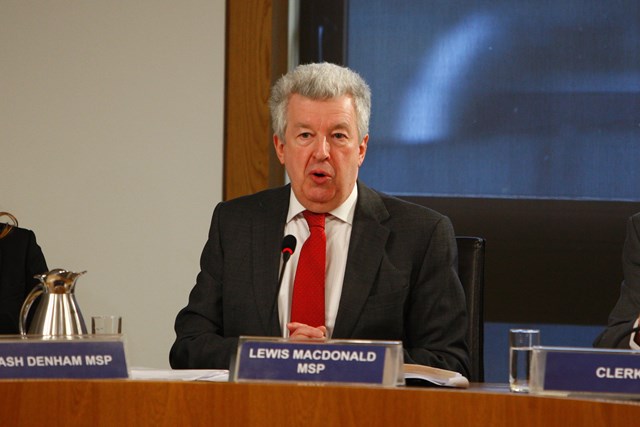
Convener of the Committee and Labour MSP Lewis Macdonald said: “Throughout this inquiry the message we have been given from those receiving care, and from paid and unpaid carers, is that they have not felt listened to and have been undervalued. That’s why it is essential that they are at the centre of much needed reform of the social care system.
“There is no doubt the current model of care is unsustainable, with some of the issues facing the sector exposed by the pandemic.”
Today’s report does not mention the possibility of a national care service, but does suggest integration of health and social care services – a flagship policy of the current government – has not progressed as far or as well as it should have.
MSPs also conclude the way social care services are commissioned and procured by councils from their own staff, the third, private and independent sectors is “counter-intuitive”.
The focus of care must shift to prevention, the report states, involving local communities in service planning and moving away from the current model of “crisis driven, reactive care and unsustainable” services.
On self-directed support – a policy lauded for its intentions to enable service users to live more independent lives by organising their own care, but often thought to have fallen short in practice – the report states MSPs “do not understand why this is not being addressed.
“Local authorities are in fact the key decisionmakers about provision of care, rather than individuals themselves” the report states.
“Price is the main driver” when it comes to commissioning services according to the Committee; a situation MSPs say leads to unhelpful risk aversion and stifles innovation in social care.
Lewis Macdonald added: “We want to see a nationwide conversation held into the future of social care and we hope that the findings of our report, and the independent review, can help in shaping this future.
“We are grateful to all of those from across the care sector who provided evidence to our inquiry and gave their keen insight into how it is experienced in Scotland.
“I’d like to put on record our thanks to the tireless and passionate workforce, both paid and unpaid, who undoubtedly deserve better.”
The Health Secretary told the Health and Sport Committee earlier this week that the formula used to allocate funding to NHS health boards needs to be reviewed in the run-up to the planned creation of a national care service – in line with recommendations made in the review led by Derek Feeley – to enable a “whole system approach” to be taken to health and social care.
Sign up to our bulletin for key health & social care updates straight to your inbox. Tags: Scottish Parliament; Social Care; Unpaid Carers. |