|
Councils voice “grave concern” with care review |
Related newsChief Medical Officer: ‘Critical connections’ priority Programme for Government: the reaction FM signals national pay bargaining in NCS Government review admits care home ‘search for blame’ Staff isolation changes to be used “in extremis” Concerns at rise in care home dementia drugs 
|
|
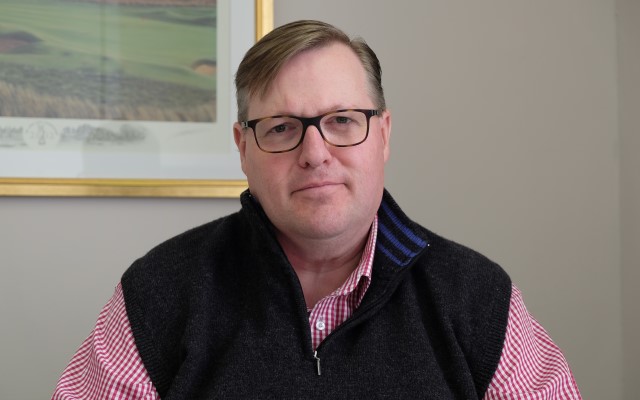
Councillor Stuart Currie
|
||
|
||
|
Scottish local authority leaders have voiced opposition to a key plank of the adult review of social care, warning the proposals would undermine local delivery of social care.
In a special meeting, bosses unanimously expressed ‘grave concern’ at recommendations to move much of the responsibility for social care services from councils to newly-empowered Integration Joint Boards (IJBs).
The review, authored by former NHS Scotland CEO Derek Feeley, reported last week and called for the setting up of a National Care Service that answers to Scottish ministers.
This represents a significant change from the current model, where councils are responsible for social care in their area.
Councillor Stuart Currie, COSLA’s health and social care spokesperson, said he and his colleagues backed much in the report, including calls to move to a human rights approach, better pay and conditions for staff and the value of not for profit care.
But Councillor Currie, who sat on the review panel, said leaders are united in their rejection of proposals that they move from their current role:
“There was real and unanimous opposition to the recommendations on governance and accountability which would see the removal of local democratic accountability and a degree of centralisation, which leaders rightly felt would be detrimental to the local delivery of social care and its integration with other key community services.
“They also felt that, given the level of funding set out in the Review, local government would be well placed to deliver the human-rights based approach outlined at pace, whilst ensuring local democratic accountability remains front and centre of social care.”
Council leaders are set to consider a further report on the proposals, which the health secretary has signalled are likely to be accepted by the Scottish government, at the end of February.
Under the care review’s recommendations, IJBs would take on a direct role of commissioning social care – which is currently done by councils.
They would also receive funding directly from the Scottish government, a shift from the current situation where they are jointly funded by local authorities and the NHS.
In an interview with healthandcare.scot, Dundee IJB chief officer Vicky Irons, who represents her colleagues across Scotland, said the review provided an opportunity to tidy up loose ends that had been emerged in the current system.
The Feeley review suggested it would cost an extra £660m to fund the proposals it set out, though Scottish Care has questioned whether this might be too little.
In a separate report released this week MSPs described the way social care services are procured as ‘counter-intuitive’.
The Scottish Parliament’s health committee said: “Local authorities are in fact the key decisionmakers about provision of care, rather than individuals themselves.”
Sign up to our bulletin for key health & social care updates straight to your inbox. |
