|
Stroke services cope well despite pandemic pressure |
Related newsCharting Scotland’s future health and hospital demand Hip fracture audit triggers concerns Awards celebrate great link working Blue spaces: Part of our health infrastructure Public health – don’t just focus on the goalkeeper Highland children hit by poverty and geography 
|
|
© borislav15
|
||
|
||
|
Public health officials have said it is ‘striking’ stroke services coped as well as they did during the pandemic.
Performance fell in three of four major indicators of stroke care in Scotland over the second half of last year, prompting a major charity to warn people who have suffered a stroke are not seeking help.
Improved performance against these measures is linked to a reduced risk of dying from stroke and a faster discharge from hospital.
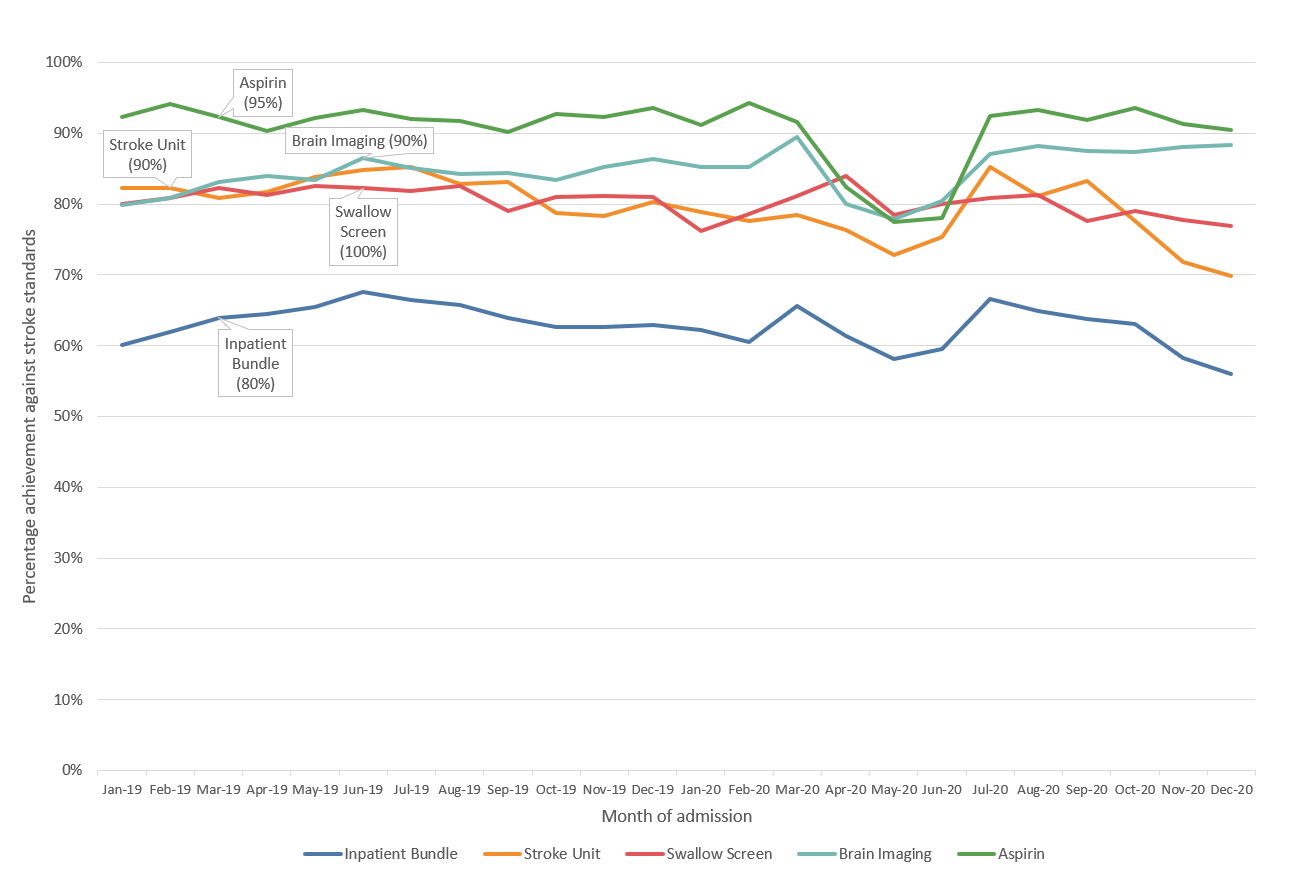
After covid hit in March 2020, the number of people presenting with a stroke to NHS services fell considerably, as did performance against several treatment standards. From May to July 2020 services began to improve, but most were in decline again up to December 2020.
Public Health Scotland has said the drop in standards ‘shows the vulnerability of specialist stroke services to urgent external pressures’.
Four of the most significant indicators of stroke care services looked at in today’s Scottish Stroke Improvement Programme report 2021 include aspirin administration, brain imaging within 12 hours of arrival to a hospital, swallow screening within four hours of admission, and stroke unit access.
Although stroke unit access performance fell from 82% in 2019 to 77% in 2020, Public Health Scotland said it was ‘striking’ that performance did not fall further.
Performance even improved in some areas, including brain imaging and average thrombolysis door-to-needle times – an intravenous clot-busting treatment that must be administered as quickly as possible in eligible patients with ischaemic stroke.
Percentage of confirmed strokes achieving inpatient stroke standards for stroke unit admission, swallow screen, brain imaging, aspirin administration and bundle
John Watson, Director Scotland of the Stroke Association, said stroke care teams had managed to maintain services “in the face of unprecedented challenges”.
He is, however, concerned by a reduction in the number of people coming into hospital with the signs of stroke:
“Although we are not fully sure why this is the case, it is presumed in this report that it has been due to a fear of hospital admission - likely due to hesitancy and fear of contracting covid-19.
“This is a concern to us because stroke is a medical emergency and it’s essential to call 999 straight away if you suspect you or someone around you is having a stroke. We continue to urge the public to use the world-famous stroke acronym, “FAST”, to familiarise themselves with the signs and symptoms of a stroke: Face, Arms, Speech and Time (to call an ambulance) – Act FAST.
“FAST remains an important message that both we and others continue to promote.
“The Scottish Government recognised pre-pandemic that stroke needed significant improvement and made welcome commitments towards that. We are pleased to see increasing awareness of the signs of a stroke is included, alongside commitments relating to improved hospital care. We look forward to seeing further progress on those commitments in the coming months.”
Read more: Survey targets stroke treatment “blind spots”; Insight: Harnessing the pandemic innovation surge; Research into concerning covid stroke link
Sign up to our bulletin for key health & social care updates straight to your inbox. |