|
Chief officers change at half of IJBs |
Related newsSceptical response to government’s care proposals Collective bargaining promised for social care Bid to block IJB voting rights extension Councils warn of social care cuts ahead New social care minister appointed Holyrood passes Care Reform Bill MSPs’ ‘huge concerns’ over Scotland’s medicines system Insight: Care workers should not be commodities Insight: An unequal integration? Care staff still paid per minute despite pandemic Podcast: Councils play key role in health and care Councils justify paying themselves higher care rates 
|
|
|
||
|
||
|
Since April 2016, 17 of the 31 authorities set up to manage the Scottish Government’s key programme to integrate health and social care services have had, or will shortly have, their chief officer depart, the Health Secretary has revealed.
One of these, Edinburgh, is on its third chief officer, while the other 16 have had one change at the most senior level.
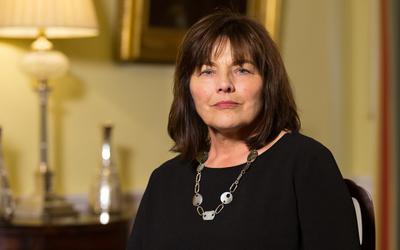
In a letter to Holyrood’s Health Committee providing further information on leadership changes at each authority, Jeane Freeman, the Health Secretary said:
‘Seven chief officers have either retired or are about to retire; four have left health and social care in Scotland; the remaining posts are held by chief officers who have either moved between jobs in Integration Joint Boards (IJBs), or have joined the chief officer cohort since April 2016 or will soon join it.’
The authorities affected include Aberdeen, West Lothian and Orkney, as well as North Ayrshire, Fife and Scottish Borders.
A November 2018 report by public spending watchdog Audit Scotland found 57% of senior managers had changed since integration started and said ‘high turnover of people in key positions in IJBs has affected the skills available and has led to a lack of continuity’.
Speaking last month, Ms Freeman told MSPs she did not see ‘anything troublesome’ about the turnover, explaining:
“Integration is relatively young and new and, for some individuals, it might not have been the experience that they expected. In those circumstances, it is entirely sensible for those individuals, and for the wider integration project, that they seek roles elsewhere.”
Legislated for in 2014, integration authorities formally came into existence in 2016.
Described by the Scottish Government as ‘the most significant change to health and social care services in Scotland since the creation of the NHS’, every health boards and local authority was required to form partnerships, overseen by an integration authority, to take on responsibilities previously held separately by the board and council.
All have responsibility for social care, primary and community healthcare and unscheduled hospital care for adults, while some also have additional powers over children’s services, social work and acute services.
|
