|
Care worker pay rise hit by funding delays |
Related newsCare worker visa changes ‘inhumane’ and risks services ‘Too many missing out’ on palliative care Campaign launched to boost social care workforce Review: More social care staff should be regulated FM candidates asked if they care about care Call for windfall tax on care agency profits 
|
|
|
||
|
||
|
Funding delays mean some care workers might not get a pay rise until after Christmas - despite a government promise it would take effect from next week.
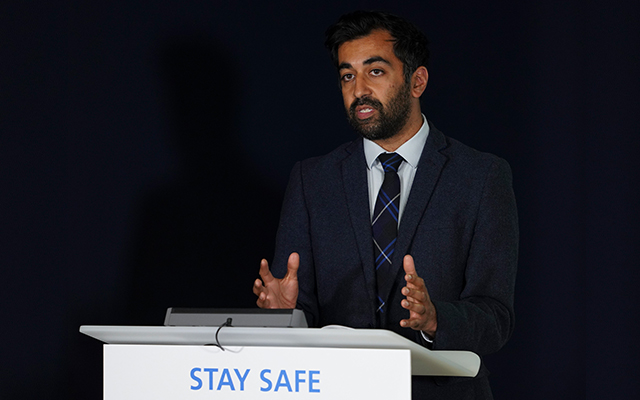
The increase, which will see hourly wages go from £9.50 to £10.02, was announced in late October by Health and Care Secretary Humza Yousaf as part of a £300m winter support plan for the sector.
But ahead of the 1st December date for implementation the two main membership groups for care providers are warning of delays in getting the funding to employers.
A Scottish government letter seen by healthandcare.scot admits some payments might not be made until February 2022, though “best endeavours” will be made to get funding to providers in December.
It comes amid increasingly serious warnings about staffing levels in care, which is facing competition from higher wages in other sectors including the health service.
The Scottish government has asked care employers that do not receive the cash in time to fund the pay rise themselves where possible.
Karen Hedge, from Scottish Care, said some providers could end up going “to the wall” as a result of the delays.
She told healthandcare.scot: “We are a week away from when that money is supposed to be going into the pockets of frontline staff. Care providers still don't know how much money the government is going to give them.”
Annie Gunner Logan, chief executive of the third sector Coalition of Care & Support Providers, said the Scottish government had “gone backwards” on implementing the pay rise.
"Money may not get to providers until February...what that means, in effect, is that charities, third sector groups, have to carry the cost of this for a full quarter before they get the money in the bank.
“That’s not ideal when you have providers who are really stretched…it’s a really big burden to place on providers and it’s quite a risk as well.”
One IJB meeting this week said it was aiming to make all payments ‘before the end of January’ because of the ‘significant workload’ involved in mid-year contract changes.
The government letter states: ‘We would also ask that where funding could not be passed on in time for December payroll that, where possible, providers pay the workforce in advance of funding being received’.
Providers who cannot afford this could lose staff elsewhere, said Karen Hedge:
“The people who are less likely to be able to pay that money through to staff are the smaller family-run organisations who provide most of the care and support across Scotland. So, it's just created greater inequality in the system, widening that chasm, and creating workforce instability rather than supporting the sector through winter.”
“You’re asking them to pay upfront almost a quarter of their annual outgoings. It's just not financially feasible and to do so would put some providers to the wall. That's the reality of it.”
The distribution model has also been criticised for being less generous than previous years, particularly for providers that provide a significant proportion of overnight and sleepover support.
Annie Gunner Logan said: “Once again, charities may end up subsidising this part of the ‘deal’.”
Minister for Mental Wellbeing and Social Care Kevin Stewart said the pay rise for care staff equated to more than 5% and was a “significant step forward”.
He said: “We recognise the commitment some providers are being asked to make, that is why £112m of funding has been pledged this financial year alone to help deliver on this.
“We will also work directly with local authorities, providers, trade unions, COSLA and membership organisations to ensure this uplift is passed on as quickly as possible to providers.
“Where this cannot be passed on in December 2021, all payments will be back dated and provided for all hours worked from 1st December 2021.”
Read more: NCS commissioning reforms ‘do not go far enough’; All but one council ‘underpaying’ for homecare; Care workers swayed by NHS recruitment campaign
Sign up to our bulletin for key health & social care updates straight to your inbox.
|
