|
Column: Campaign gives hope to next generation |
Related newsPoliticians told: “Carers cannot wait” ‘Leaps’ needed to secure change for disabled people Turning policies into social care practice Independent Living Fund reopening moves forward Review: More social care staff should be regulated Students help shape Perth complex needs housing Medical trainee abuse reports ‘shut down and silenced’ Politicians must take ‘bold’ action on child poverty Glasgow district nurses ready to strike NHS and Glasgow rethink routes into healthcare ‘Major’ update to One Health AMR register Glasgow LEZ success sparks call for expansion 
|
|
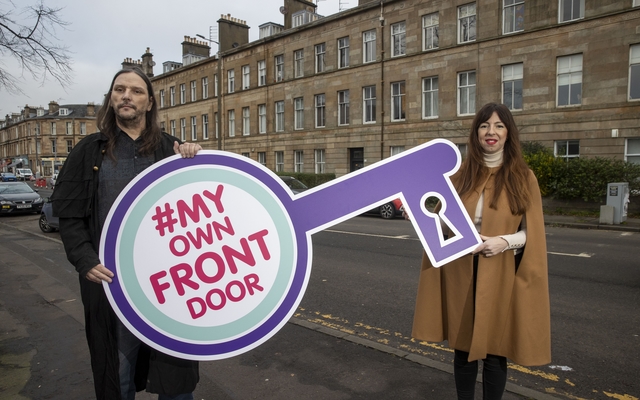
Image: ENABLE Scotland
#MyOwnFrontDoor campaigner John Feehan and Jan Savage, Director of ENABLE Scotland
|
||
|
||
|
After fervent campaigning from disability organisation ENABLE Scotland, the Scottish government has committed to ensuring people with complex needs will be cared for closer to home and not in inappropriate hospital settings, in what has been described as a “landmark moment for the human rights of people who have learning disability in Scotland”.
Journalist and campaigner Michael McEwan reports for healthandcare.scot on the organisation’s recent campaign launch event which he says could give the next generation “a fighting chance to build their own future” – but laments the slow process of system changes.
During the past two years I've only gone to events online. Now, as the world is slowly reopening, events ae beginning to return to in person once again.I was recently asked to host a launch event by disability organisation Enable Scotland called My Own Front Door, to raise awareness that too many people with a disability inn 2022 still don't have their own home.
"Enable Scotland’s My Own Front Door Campaign has shone a light on human rights emergencies hidden in plain sight. People who have a learning disability, someone's brother, sister, son or daughter, are forced far from home to ‘live’ in hospital or care home settings where they're uncomfortable, unhappy and traumatised.
“I'm sure that reading this there will be shock to learn about this situation our fellow citizens find themselves in, sadly outwith their control. With this campaign comes the assurance that better is possible, and we see this every day at Enable Scotland. "
As a long-term advocate for disability rights, I commend and am encouraged by this campaign.
Michael McEwan is a freelance journalist.
Sign up to our bulletin for key health & social care updates straight to your inbox. Tags: Disability; Learning Disabilities; Social Care. |
