|
Bereavement: The silent epidemic |
Related newsPoliticians told: “Carers cannot wait” Edinburgh welcomes outdoor brain health centre Fixing social care funding must be council “priority” “Get ready now” for advances in dementia care Benefit overlap ’penalising’ older carers Exercise key to combatting frailty epidemic 
|
|

© Watercolor_Concept
|
||
|
||
|
Everyone dies and everyone, at some point in their life, will be faced with the loss of a loved one.
Despite this, the public feel unprepared for death, dying and bereavement – a silent epidemic which is, according to leaders across the sector, having catastrophic impacts on people’s health, finances, and wellbeing comparable to that of drugs and alcohol.
Attendees at last week’s Global Ageing Conference heard that the fundamental human right to good bereavement support is going largely unmet in Scotland and it will take the combined efforts of everyone in the country to ‘change the narrative’ on what care and support people should expect in this time of need.
The pandemic has had a profound impact on how those bereaved have experienced death and grief, with as many as one in five receiving no support from friends, families or coworkers.
Stigma, taboo, and poor understanding of grief and how best to support someone were found in a UK-wide survey on bereavement to be key barriers to support.
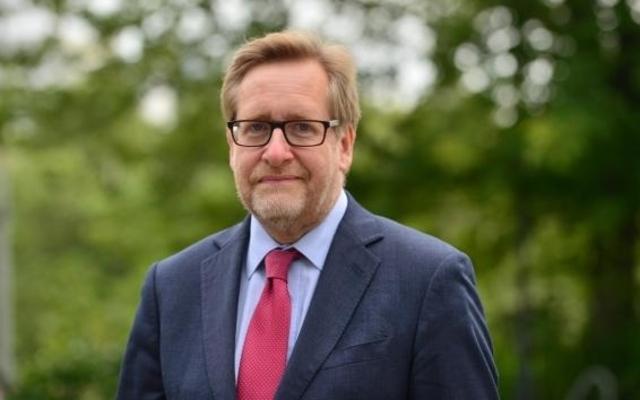
Dr Donald Macaskill, speaking last Thursday at the global event, said this shows how important it is that people are confident to talk, share and be open about death, dying and bereavement – and that public education must at least match efforts seen in alcohol and drugs:
Speaking in his role as chair of Scotland’s Bereavement Working Charter Group and one of Scotland’s bereavement commissioners supporting the survey, Dr Macaskill told delegates a lack of coordination, policy oversight and political will in this area have hindered efforts to empower members of the community:
“The UK Commission found that the economic costs of not attending to individual belief was in the hundreds of millions of pounds. The psychological and emotional cost in terms of mental health services led to tens of thousands of individuals being absent from work because of a lack of focus on their bereavement.
“And perhaps most tragic of all, in the UK the estimate is – and I would suggest this is a conservative estimate – that at least two thirds of completed suicides have grief at their heart.
“This is a public education issue.
“This is probably more important than our public education around drug awareness, around alcohol addiction, and even in mental health care, because of the impact it has on both children and adults across the United Kingdom.”
EASE-ing people into death, dying and bereavement
Mainstream, accessible opportunities to prepare for death are still in short supply in Scotland – but the Scottish Partnership for Palliative Care is offering a course that is looking to provide reassurance and confidence to as many people as possible.
The End of Life Aid Skills for Everyone (EASE) course has already supported more than 260 people across Scotland to gain confidence and be more comfortable in supporting members of their communities with issues they face during dying, death and bereavement.
Caroline Gibb, the Community Development Lead at the Scottish Partnership for Palliative Care, told conference attendees that the four-week course – delivered free of charge – is working to address some of the fears and uncertainties many people hold about dying.
Volunteer facilitators help participants to better understand the process of dying, what to expect in the run up and aftermath of a loved one’s death ,and how to provide informal support to those in their communities facing challenges around death and bereavement.
Feedback has been hugely positive so far, Caroline Gibb told the international attendees, and the aim now is to roll out face-to-face courses, train more facilitators and help EASE to reach as many people across Scotland as possible.
Caroline Gibb explained that peer sharing and discussion aspects of the course are just as important as the formal course materials:
“We all have an innate ability to support and care for each other through difficult times, it doesn’t require special training.
“This course isn’t professionally led and participants don’t need any particular experience or skill. It is open to anybody who wants to be able to support someone with issues: whether they are currently carers, somebody who soon expects to be caring or just want to be better prepared and feel motivated to support someone through difficult times.
“People bring all sorts of different backgrounds that can really enrich the course.”
Members of the public are able to find out more and sign up to the free EASE course here: https://www.goodlifedeathgrief.org.uk/content/ease/
A Bereavement Charter for Scotlanddescribes what good bereavement care and support should look like. More information can be found here: https://scottishcare.org/wp-content/uploads/2020/07/Bereavement-Charter-without-logos.pdf
Read more: Helping bereaved families cope; Creating Hope Together with Peer Support; New national service to help grieving Scots
Join hundreds of people who get regular bulletins of Scottish health and social care news direct to their inbox by signing up here.
Tags: Older People; Unpaid Carers. |