|
Committee backs physician associate regulation |
Related newsCommunity Link Workers reducing stress on GPs BMA: 2026 can be “watershed moment” for NHS Collective bargaining promised for social care Call for care home nurses to be given pay parity Two thirds of doctors experiencing burnout Health and care in the Scottish budget 
|
|

© ugljesaras
|
||
|
||
|
Holyrood’s health committee has backed legislation that will see the General Medical Council take on the regulation of physician associates (PAs) and anaesthesia associates (AAs).
Members of the committee voted eight to two in favour of the Anaesthesia Associates and Physician Associates Order 2024 which proposes PAs, AAs and doctors all be regulated by the same body.
It comes after months of campaigning from the doctors’ trade union, BMA Scotland, which opposes the change.
The union wrote to the committee earlier this year with its fears around the patient safety implications of the role, their impact on doctor training and concerns about what they see as a ‘role creep’.
A survey of its members found 83% felt patients were not aware of the difference between these supplementary roles and doctors.
The BMA says proposals for the GMC to regulate PAs and AAs will lead to ‘further and potentially dangerous blurring of the lines between doctors and professionals with considerably less training and expertise’.
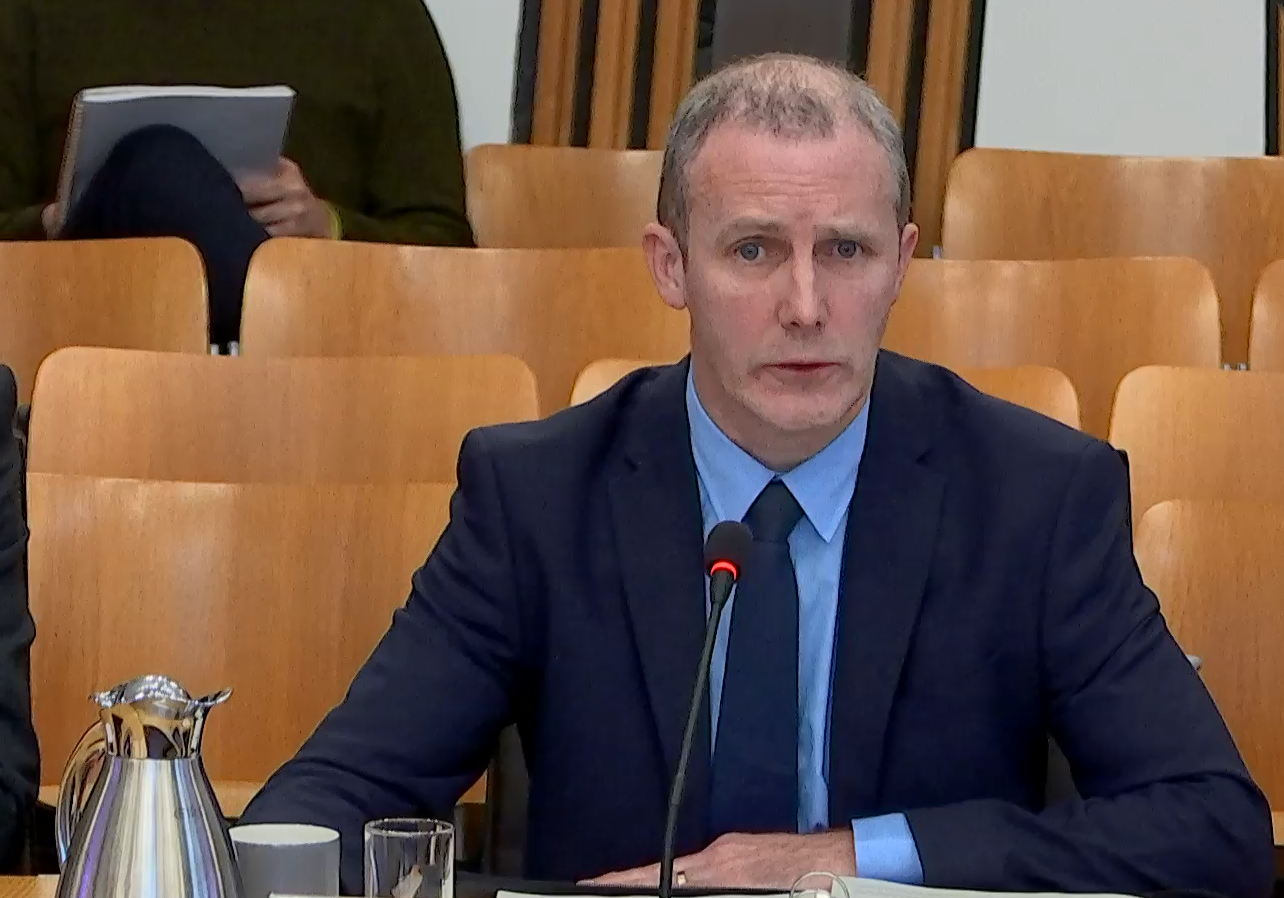
At an evidence session this morning, Cabinet Secretary Michael Matheson told MSPs that he “does not subscribe” to this.
He told the committee:
“We have a range of different health regulators that regulate a range of different professional groups. So, the idea of the GMC taking on the regulation of AAs and PAs, in my view, I don’t think will cause any confusion so long as there’s a very clear regulatory body responsible for dealing with any issues relating to PAs and AAs.
“I’ve heard some of the commentary [around the confusion of roles] but I’m not persuaded by it, given the fact we have a range of other regulators that cover other professional groups.”
Growth of the role
There are thought to be around 150 PAs currently working across NHS Scotland, compared to more than 3,000 in NHS England.
Mr Matheson told MSPs that Scotland does not intend to replicate the “very rapid expansion” of PAs as is being done in England, and will instead take an approach that is “much more evidence based, much more managed and very clearly defined in the role”.
Role creep
Committee member, Scottish Conservative health spokesperson Dr Sandesh Gulhane MSP, who is himself an NHS GP and voted against the proposals, told the Cabinet Secretary about his concerns around a lack of defined scope of the role of PAs and AAs.
He said that he has heard that PAs are increasingly being used to fill gaps left by doctor
vacancies, leading to an expansion in the role to “where it really shouldn’t be”:
“Of course, regulation is important and must occur,” he said. “But you can’t regulate what you cannot define. So, scope of practice is a very important part of that regulation, as is supervision level.
“Scope of practice, we know that there has been an expansion in what it is PAs and AAs are being asked to do. Turning to PAs, I know of GP practices almost entirely running on AHPs [allied health professionals], thus saving the practice money but providing potentially a two-tier system and service to patients in remote and rural areas where they’re not going to be seeing doctors in the main with the expansion of that PA role.”
Mr Matheson said the way the professions will be used in NHS Scotland after they are regulated will be overseen by a newly established Medical Associate Professions (MAPs) implementation programme board.
Alternatives to the GMC
The GMC’s relationship with doctors has become increasingly strained over recent years, and it is the view of BMA Scotland that adding to the GMC’s responsibilities at this time would be “inadvisable and potentially damaging”.
The union has instead proposed that PAs and AAs come under the regulation of the Health and Care Professions Council (HCPC) which already regulates allied health professionals, including physiotherapists, occupational therapists, and speech and language therapists), NHS psychologists, radiographers and paramedics.
Michael Matheson MSP told the committee that a majority of respondents to an earlier consultation said the GMC is the best suited to oversee PAs and AAs.
The GMC has also made clear that they are capable of taking on PA and AA regulation and are already putting in place arrangements.
The Anaesthesia Associates and Physician Associates Order 2024, with the Health, Social Care and Sport Committee’s backing, will now be voted on by the whole parliament.
Read more: Renewed campaign to divert people from A&E; Latest pay offer for NHS “deeply insulting”; Cash needed for disabled people and carers
Sign up to our bulletin for key health & social care updates straight to your inbox and you can follow healthandcare.scot on Google News. |