|
Two-tier approach could start UK exit from lockdown |
Related newsLack of home care deaths investigations ‘unjust’ Call for NHS Scotland DNACPR investigation May’s story – life during covid-19 Freeman: ‘We won’t nationalise social care’ Insight: Our care staff’s resilience is ‘humbling’ Insight: We need a plan to ‘reconnect’ after virus 
|
|
© pololia
|
||
|
||
|
Asking those deemed most at-risk to continue shielding for “a prolonged period” while relaxing restrictions for everyone else could let the UK begin to move out from lockdown, researchers suggest.
Academics from the universities of Edinburgh and London say the twin approach – known as segmenting and shielding – is the only immediately available strategy that can help ease lockdown while still saving lives and protecting the NHS.
They contend that lockdown restrictions could be eased for most people, as long as sufficient measures stay in place to keep transmission rates low. These would include self-isolation of people with covid-19, quarantining affected households, contact tracing and voluntary social distancing.
The strategy involves segmenting the population into different risk groups, based on a person’s medical history and potential healthcare needs.
Such an approach would give young healthy adults and children greater freedoms while ensuring that the most vulnerable are protected, researchers say.
The team modelled a range of scenarios to illustrate how different restrictions could be applied to different groups. Their findings have been made available to the UK and Scottish governments.
Yesterday First Minister Nicola Sturgeon announced a dramatic expansion of testing and staff who will identify people who need to self-isolate will be needed for the next phase of the Scottish Government’s virus response, known as the test, trace, isolate and support phase.
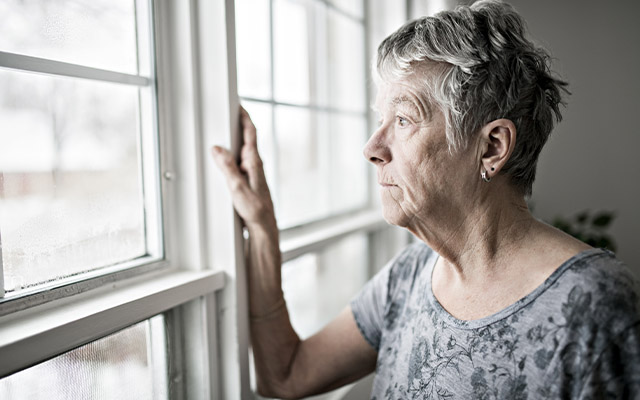
The Edinburgh and London researchers say the most vulnerable – the elderly and those with underlying medical conditions – would still need to be shielded from contact with anyone potentially infected with the virus.
People sharing a house with a vulnerable person, care workers and health professionals would need to protect themselves from infection also.
The team asserts the risk to non-vulnerable people could be managed without resorting to lockdown.
Instead, they propose a response based on appropriate and effective clinical care and proportionate public health measures, including ‘intensive screening’ of anyone who comes into contact with the vulnerable population.
Dr Bram van Bunnik, Postdoctoral Research Fellow at the University of Edinburgh’s Usher Institute, said: “Easing the measures taken during the lockdown is important as they currently have a tremendous effect on our society, but this should only be done in a way that is both safe for the people that are most vulnerable as well as for the health and safety of NHS staff.
“Segmentation and shielding is a possible way of achieving this: measures could be eased for a large proportion of the population, however the vulnerable population likely still needs to be protected for a prolonged period.”
Implementing the policy would demand high standards of hygiene and protective measures at home and in institutions such as care homes and hospitals.
Although the research team says the planning models are robust to a wide range of assumptions about immunity to covid-19, they caution that not enough is known about the build-up of immunity in affected populations.
Mark Woolhouse, Professor of Infectious Disease Epidemiology at the University of Edinburgh, said: “Segmentation and shielding recognizes that, although social distancing impacts on the whole of society, the public health burden of covid-19 is concentrated in a subset of vulnerable people.
“By targeting protection to those that need it most, the strategy helps to ensure that the health system is not overwhelmed by severe cases, while giving policy makers greater leeway to partially relax social distancing measures for the majority of the population.”
Sign up to our bulletin sent twice a week so you don’t miss out on the latest health and social care news.
Tags: Disability; Infectious disease; Older People. |
