|
Vaccine plea for parents of kids with complex needs |
Related newsChildren’s doctor new Chief Scientific Adviser Delay to newborn screening for SMA “nonsensical” Four centuries of bringing life to Aberdeen Phage therapy approved for resistant infections Concerns at rise in care home dementia drugs Experts considered bowel screening pause over delays 
|
|
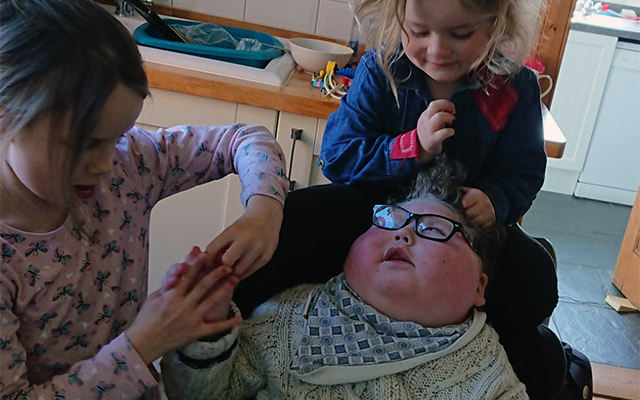
Benjamin Davey and his sisters
|
||
|
||
|
The parents of children with life-limiting conditions must be among the first to get a covid-19 vaccine, a leading charity has said.
Kindred – an advocacy organisation supporting parents of children with complex needs – says these families should be prioritised so they avoid contracting the virus and being unable to look after their children as a result.
The plea comes days before the Health Secretary Jeane Freeman is due to give more information in Parliament on a vaccination plan for Scotland.
Last week, pharmaceutical company Pfizer announced a vaccine it was developing had proved to be 90% effective, while this week Moderna claimed its own vaccine had reached 95% efficacy.
The impact on children with exceptional health needs if their parents contract the virus and are unable to provide care is “devastating”, Kindred says.
In a report published this week by the charity, the isolation many such parents have endured to ensure they can keep caring is laid out, with some starting shielding weeks before the national lockdown that was imposed in March.
According to a survey carried out by Kindred, two out of every three parents said sleep deprivation was one of the main factors that impacted their ability to care for their children, with many describing it as ‘the norm’ for then to get an average of five hours of broken sleep a night.
Others say they were left ‘entirely alone’ when it came to providing care at home.
Despite the significant needs of their children, some parents reported they did not receive a phone call from professional services during the pandemic, leaving them in fear of falling sick and being unable to look after their vulnerable children.
Alex Davey her six-year-old son, Benjamin, has complex medical needs including tube-feeding, epilepsy and overnight ventilation
Alex received a letter instructing her that Benjamin met the criteria for shielding in March. For his safety all respite and at-home care services were halted, leaving Alex and her husband to be the only people providing care for Benjamin and his two sisters. Since March, Benjamin has been hospitalised six times, often involving full-time ventilation in critical care.
Ms Davey says her main concern is that she and her husband contract covid-19, leaving them unable to care for their son.
Early access to the vaccine is ‘imperative’, according to Kindred, to ensure that families like Alex’s can be sure that they can continue to care for their child.
The lockdown survey conducted found 93% of families responding experienced an impact on their ability to meet their children’s medical and care needs due to the pandemic.
Nearly two thirds, 63%, said that the impact of the pandemic on their ability to provide care had been ‘big’ or ‘severe’.
Kindred has called for an urgent investigation of the provision of overnight respite care across Scotland.
Sophie Pilgrim, Director of Kindred, commented:
“Our report provides evidence that the pandemic had a devastating impact on families of children with complex needs and life limiting conditions. Anyone reading this report will be moved by their plight.
“Many families started shielding before schools closed with the loss of all care and support. Some of these children require two to one support in school and other care settings, and yet parents had to cope from March to August, many with no help at all.
“As the vaccine becomes available, we must prioritise parents who are providing medical care for their children and cannot afford to get sick themselves.
“Many parents received no respite care before the pandemic, and those that did lost their care with lockdown. Serious sleep deprivation puts parents at risk of depression, accidents and long-term conditions.
“…Parents put their children first. And we must work together and ensure they are among the first to get the vaccine.”
Supporters – If you can help support our reporting for Scotland's health and social care community, please head to our donations page.
Bulletin – Sign up for all the latest news and events. |
