|
Health Foundation: Leave no one behind |
Related newsHow data insights will help deliver NHS reform Charter update for health data researchers Protecting public health through pathogen genomics Vision for NHS reform in coming weeks Barriers remain in accessing residential rehab Making cervical cancer a ‘rare disease’ NHS staff say data vital to improving care Insight: The health benefits of being able to work Pre-eclampsia test approved for NHS Scotland Phage therapy approved for resistant infections Auditor General: Difficult choices for Scotland’s NHS 
|
|
|
||
|
||
|
The poorest fifth of people of all ages continue to be failed according to the findings of a comprehensive independent study of health inequalities in Scotland, led by the Health Foundation. A series of four strands of research are brought together in a single report ‘Leave no one behind’.
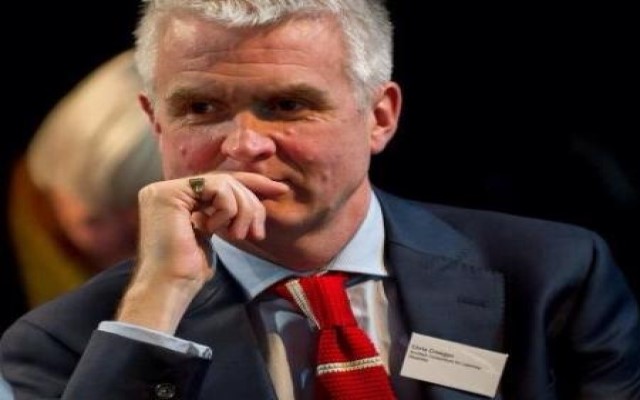
Ahead of a seminar this Thursday discussing the findings of the review, we publish the foreword to the report written by Chris Creegan, Chair of the programme’s expert advisory group.
How has Scotland fared on health inequalities since devolution? At one level the answer is simple. It begins as a story of steady improvement, then stalling and, most recently, of shockwaves.
Inequity in health outcomes is, of course, affected by access to health care and treatment. But it is wider socioeconomic factors – the determinants of health – that do the heavy lifting. So the answer is also complex.
Despite undoubted policy ambition, effective implementation in Scotland has fallen short and inequalities persist. Worse still, they are growing. The effects of the pandemic and the current crisis in living standards, following a decade of stagnation, compound the risks to health ahead.
This review is the most comprehensive of its kind since devolution began. Its evidence suggests that progress in building a healthier and fairer nation is possible. But it also raises a stark question – for all our good intentions, have we taken our eye off the ball?
The most glaring predicament revealed by the review is that the fortunes of those living in our most deprived communities are becoming detached from the rest. Among a plethora of challenges for Scotland it points to are the health prospects of infants and young children, and the plight of young and middle-aged men experiencing multiple disadvantage.
The recent report of the Scottish Parliament’s Health, Social Care and Sport Committee rightly acknowledges that a more coordinated whole-government approach is urgently needed. Joined-up policy design and delivery matters. As does the right balance between universal and targeted intervention. But this is not simply a public policy problem. Employers, for example, must do more too. Government cannot act alone.
The causes of inequalities in health outcomes are deep rooted and structural – exposed and exacerbated by short-term crises. And they can only be resolved by a sustained, long-term response across society. This is a problem for every one of us.
It is heartening therefore that the review suggests a well-informed and engaged public will back bold action to tackle the causes of health inequalities, rather than merely the symptoms.
There are those who argue that to respond effectively, Scotland needs more powers – in turn leveraging greater investment. Of course, this could make a difference, but there is already significant scope to act. Either way the actions of the UK government matter too – the damage to health created by austerity over the past decade is unarguable.
But with or without additional powers, and whatever path Westminster chooses, the cost of inaction in Scotland is simply too great to contemplate. We cannot give in to intractability or fatalism and allow the most disadvantaged in our communities to be set adrift.
This is a report not only for government, but for all of Scotland – its institutions, businesses and citizens. We do not need another grand strategy. We need practical collaboration, up and downstream, to sweat the considerable assets we already have – public, third and private sectors, collaborating with communities. Each of us has our part to play.
It is not for the Health Foundation or any expert group to prescribe what that collaboration should look like. Our task now is to act – together – to call time on health inequalities.
Journalist and Broadcaster, Pennie Taylor will be chairing a webinar: ‘So what now? Exploring the findings from the Health Foundation’s review of health inequalities in Scotland’ this Thursday 26th January at 10am.
Alongside David Finch from the Health Foundation, Mr Creegan joined by Linda Bauld, the Scottish government’s Chief Social Policy Adviser, Mubin Haq, Chief Executive of independent funder, abrdn Financial Fairness Trust and , Michael Kellet, Director of Strategy, Governance and Performance for Public Health Scotland to discuss insights from the review.
Read more: Social deprivation linked to frailty; Can Scotland make health fairer?; RADAR system spots drug risks; Inside Scotland's widening health inequalities; Money matters for poverty & health
Sign up to our bulletin for key health & social care updates straight to your inbox and you can follow healthandcare.scot on Google News. |
