|
Glasgow project makes research accessible to all |
Related newsAntibiotic may reduce schizophrenia risk High-fat diet could help bipolar patients Tailored support needed for stroke survivors ADHD linked to childhood tantrums High cancer risk for adults with learning disabilities Holyrood hears evidence on abortion legislation Robots could play part in combatting loneliness Healthy ageing project receives funding boost At-home pessary care offers hope to prolapse patients Campaign launched to boost social care workforce Patient voices to shape liver research 
|
|

Image Credit: © Vitalii Vodolazskyi
|
||
|
||
|
Bringing together people with learning disabilities in Scotland and researchers, the University of Glasgow is working to make often complex public health research – from dementia to cancer and mental health – easier to understand and access.
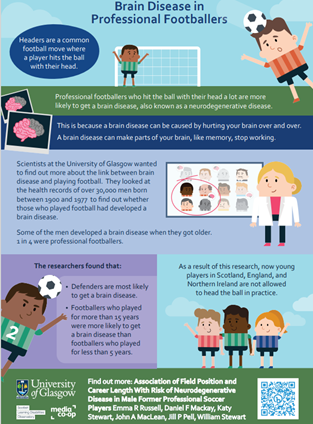
The Research for Everyone project has seen researchers at the University of Glasgow work with six self-advocate co-creators to develop animations, podcasts and infographics to explain studies on the links between football and dementia, and the impact of cancer on mental health.
Introducing the collaborative work led by the Scottish Learning Disabilities Observatory (SLDO), the group explained that public-funded research into important health issues has ‘long been inaccessible’ to people with learning disability.
The brain disease in football infographic explains some the findings so far of work from Professor Willie Stewart and Dr Emma Russell, and signposts people to learn more about future research.
Natalie, one of the six self-advocate co-creators who produced the infographic, podcast episode and animation resources shared the importance of this project.
She explains that the work comes from their right to accessible health information:
“We have the right to understand health information like everybody else, we just have to go about it in a different way.
“I find it a lot easier to understand and interact with the colours and images used in the animations and infographics, than with the written word, which look like homework.
“I think more people will connect with these outputs, not just people with different disabilities but also others including children and young people. Less writing, more images is the way to go.”
Professor Deborah Cairns, Director of the SLDO at the University of Glasgow, who conceived this project, says the project challenges the typical academic ways of communicating research:
“Important health information is often written in a way that is too difficult to understand. We think that everyone has the right to meaningful health information. We worked together to identify clearer ways to describe the purpose, outcomes and recommendations from two important studies carried out here at the University of Glasgow.
“Our project brings a fresh perspective and challenges the typical academic way of communicating research findings. We chose animations, infographics and podcasts to engage as wide an audience as possible. Some people find it easier to look at images, while others prefer to read or listen. We also created a British Sign Language version of the animations.”
Jenny Miller, Chief Executive of one of three charity partners involved in this project, Promoting a More Inclusive Scotland (PAMIS) Together, says the only way to learn from research and ensure lives are better for everyone is to ensure findings are accessible and meaningful:
“Too much money is spent on research that could change lives but because it is inaccessible to so many of us it isn’t used.
“The Research for Everyone approach is how all research should be shared so we can all take advantage and support the difference that it can make to health and wellbeing, especially of people with a learning disability who continue to face many health inequalities.”
Professor Cairns, Director of the SLDO, said she hopes this new approach will be adopted across the academic community at the University of Glasgow and more widely:
“In recent years, we have been asked to make our health research easier to understand for as many people as possible. We hope that this project, guided by people with learning disabilities, lays the foundations for encouraging a more inclusive research culture where clearer and easier to understand health information is available for anyone keen to know more about research.”
Read more: UN told rights of disabled people in ‘crisis'; Voices of disabled key to policy development; Cost-of-living ‘catastrophic' for disabled people; New Disabled Children and Young People Transition Bill; Scotland prioritises neuro-inclusion, says government
Sign up to our bulletin for key health & social care updates straight to your inbox and you can follow healthandcare.scot on Google News. |