|
First phase of obesity meds to prioritise highest BMIs |
Related newsGovernment boosts health innovation funding Pharmacy’s road to stigma-free drug dependency care Chief Medical Officer: ‘Critical connections’ priority Health and charity leaders join forces for NHS reform Call for ‘urgent’ review of ADHD and autism services Respiratory care vision unveiled 
|
|
© Kassandra
|
||
|
||
|
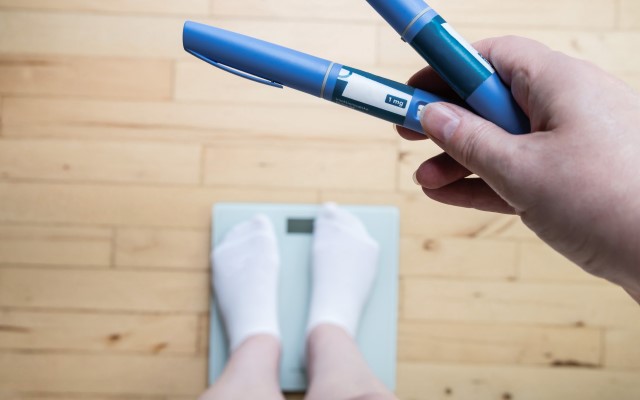
People with a BMI above 38 living with at least one other condition associated with obesity are set to become the first in Scotland to gain access on the NHS to a new class of medicines to help them lose weight.
Drugs Wegovy and Mounjaro are approved in Scotland for use in weight management for people with both a BMI over 30 and one weight-related condition, but a recently published consensus statement means only those with a BMI over 38 will be prioritised initially.
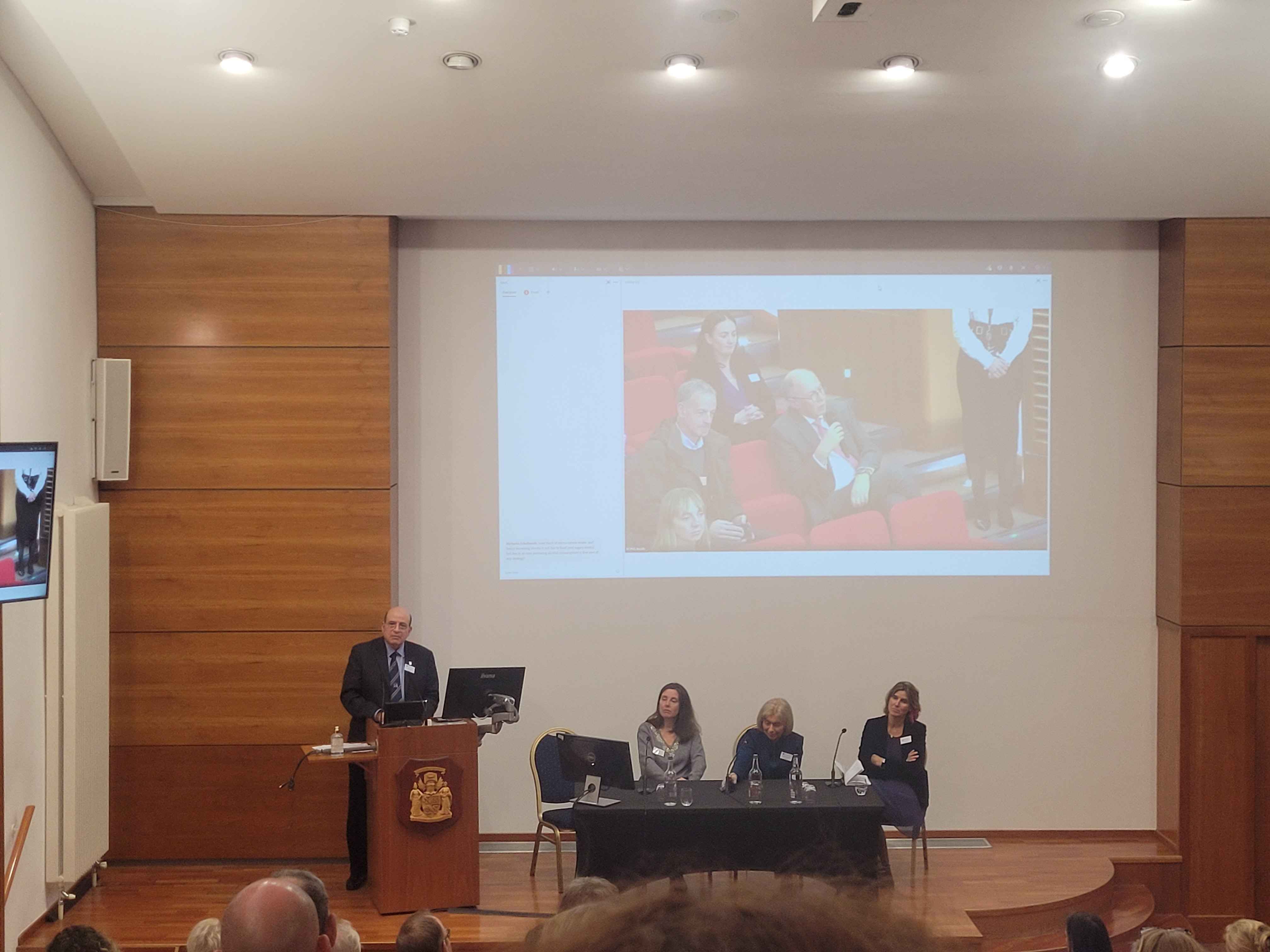
A member of the Scottish government expert group which drafted the statement told the President’s Conference of the Royal College of Physicians and Surgeons of Glasgow this week that the original criteria would see more than a million adults in Scotland be eligible – levels she said the NHS could not cope with.
Laurie Eyles, who leads NHS Lothian dietetic services alongside advising the government, said there is no doubt around the medicines’ efficacy – but that they alone will not be enough to tackle a condition that is now thought to affect almost one in three Scots.
“In relation to obesity, it feels hard because it is hard,” she told the conference.
“In terms of my daily work, both clinically and with the government, I do think obesity is one of the most challenging things that we have to grapple with.
“The takeaway today, I think, is that obesity is not behaviour: it’s driven by powerful biology, so we need very good and strong pathways of care that involve all the elements of treatment to be able to properly address it. Optimisation of diet and lifestyle factors are foundational obesity treatments and to an extent that is so much more than weight loss alone, going back to cardiovascular disease.
“Beware the conflation of obesity prevention and treatment: it’s not either or, it’s both at the same time.”
Despite global rates set to double to 1.9 billion and cost the economy $4.32 trillion by 2035, obesity receives only around 3% of non-communicable disease funding.
In Scotland alone, the annual cost of obesity was estimated in 2022 to be around £5.3bn, driven mostly by reduced quality of life. It is now the leading cause of death in Scotland.
Recognising the scale of the challenge, this year’s Presidents Conference brought together leading voices in obesity to consider how best to turn the tide.
Speakers highlighted a lack of specialist healthcare professional training in obesity, an overemphasis of individual behaviour that leads to stigmatisation, outdated weight management treatment pathways, and a broken food system all remain key challenges.
What’s next for Scotland?
Strong political will to make the “difficult decisions” was highlighted by conference attendees as a necessary step to bringing the scale of change needed to reduce obesity.
The Scottish government has recently consulted on proposals to both reduce diet-related health inequalities and restrict promotions of food high in salt, sugar and fat.
However, third sector organisations and doctors have raised concerns that bold policies with the potential to make the biggest difference have since stalled.
A “slow creep” of commercial actors being involved in public health policy has also been highlighted.
Within treatment, Ms Eyles told conference attendees that, alongside scaling up the use of new weight loss medicines, the Scottish government is trying to lay the foundations to support more evidence-based treatment.
New SIGN guidelines for type 2 diabetes prevention and remission are expected soon, and work to improve the collection and sharing of data on weight management services continues.
Two digitally supported weight loss therapies are also currently being considered for wider scale up in Scotland – innovations that Scotland’s Chief Scientist for Health told the conference could open the door to a whole new way of thinking about obesity.
Professor Dame Anna Dominiczak explained that it is now possible to predict a person’s risk of developing conditions and then diagnose and treat early, and that this Precision Public Health approach should guide the future of weight management services in Scotland.
If Scotland can make the most of its strengths in academia and innovation partnerships, she said, Scotland could even lead the way.
She told the conference:
“With this, we could become an exemplar for embedding equity throughout our innovation ecosystem.
“Scotland is beautifully positioned to be the best in the world.”
Read more: Regulation key to reducing obesity; Public health leaders call for ‘systemic change’; Physical inactivity increasing threat to adult health
Sign up to our bulletin for key health & social care updates straight to your inbox |