|
Lifeline cancer trials ‘must restart urgently’ |
Related newsScotland can play central role in mRNA Ancestry clues to lottery of who gets cancer Discarded bowel tests offer ‘unparalleled’ insights Conference to build on cancer research partnerships Link to research for breast cancer patients Matching breast cancer patients to newest trials 
|
|
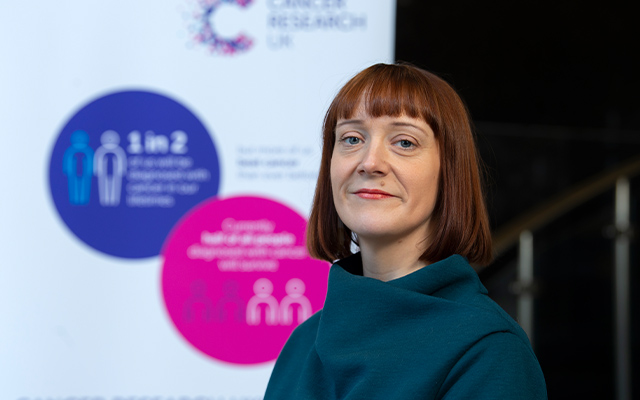
Marion O’Neill - Cancer Research UK’s head of external affairs in Scotland
|
||
|
||
|
The pausing of almost all clinical trials in Scotland during the pandemic has had a ‘catastrophic and heart-breaking’ impact and ‘taken away hope’ by removing final treatment options, the country’s largest cancer charity has said.
Cancer Research UK (CRUK) is urging the health service and government in Scotland to ‘ramp-up’ covid-19 testing to get existing clinical trials for cancer restarted as soon as possible.
The number of new patients entering clinical trials in the UK dropped by 95% during the pandemic, leaving people with fewer options for treatment now and in the future.
A report being presented at the Scottish Parliament’s cross-party group on cancer, which meets virtually today, says that the halt to clinical trials ‘has taken away hope for some patients’.
Around 32,200 people are diagnosed with cancer every year in Scotland.
Professor Charlie Gourley is Clinical Director at the Cancer Research UK Edinburgh Centre, leading a portfolio of clinical trials testing new treatments for ovarian cancer.
All but one of these trials were paused due to the coronavirus pandemic. As restrictions have started to lift, he and his team have been able to restart a second clinical trial and plans are underway to restart a third soon.
“Clinical trials are such an important part of our armoury. For some of our patients with ovarian cancer, it’s the last option for them,” Professor Gourley says.
“So many trials are successful now, that the pause has taken away hope for some patients when they know that they would be offered a trial under normal circumstances but, because of coronavirus, trials have been closed to new patients.
“This has been incredibly hard for patients.
“We are getting clinical trials back up and running now, which is great. It gives another option for some people with cancer who are desperate and gives them hope. But the restart is only being ramped up slowly so we’re still way below our usual research activity.”
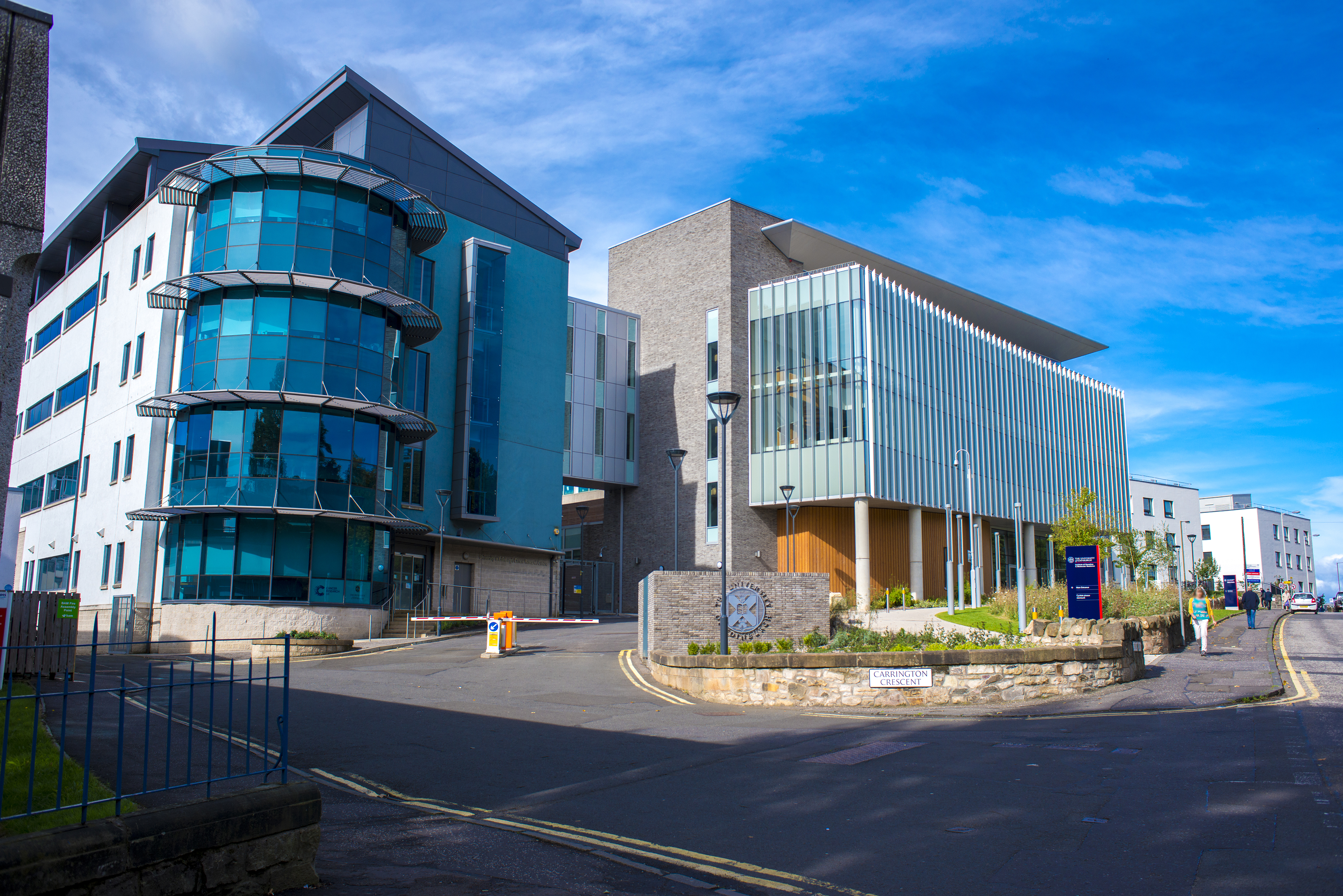
Cancer Research UK Edinburgh Centre
Health Secretary Jeanne Freeman is due to attend today’s cross-party group meeting that will look at the findings of the report.
Marion O’Neill, Cancer Research UK’s head of external affairs in Scotland, says it is time to move fast:
“Cancer hasn’t stopped because of the pandemic and it’s essential that clinical trials are restarted urgently.
“The Scottish Government has acknowledged that restarting cancer care is a priority. This urgency must now be extended to clinical trials and research.
“For those living with a cancer diagnosis now, the pause to trials has had a catastrophic and heart-breaking impact by removing access to final treatment options.
“For those diagnosed with cancer in the future, clinical trials are key to helping us understand more about this devastating disease and improving the range of treatments available.
“The Scottish Government and health boards, together with NHS Research Scotland, needs to move fast to get existing cancer clinical trials that provide a lifeline to patients and their families restarted.
“The guidance that’s been developed by NHS Research Scotland on the restart of trials is welcome. But, as hospitals look to resume trials, we’re concerned that cancer trials may not be given high enough priority.”
As well as the pause to existing trials, CRUK has voiced concerns about the impact of covid-19 on the future of cancer research.
The charity announced last week it could be forced to cut £150m a year from its research funding as the pandemic decimates its income.
Alongside the Association of Medical Research Charities, which represents over 150 medical research charities, CRUK is pressing the UK Government for a solution that will bridge the funding gap.
Cancer Research UK, in common with other medical research charities, is not eligible for any of the £750m provided by the UK Government so far to charities impacted by the pandemic.
Sign up to our bulletin sent twice a week so you don’t miss out on the latest health and social care news.
|