|
Review of stillbirths after pandemic increases |
Related newsChildren’s doctor new Chief Scientific Adviser Four centuries of bringing life to Aberdeen ‘Warning siren’ over new mums’ mental health Analysis: What’s behind unpaid carer vaccine row? Vaccine plea for parents of kids with complex needs Support boost amid children’s mental health concerns 
|
|

© fizkes
|
||
|
||
|
The causes of stillbirths that occurred during the pandemic are to be reviewed following a rise in recent months.
Public Health Minister Joe FitzPatrick has confirmed that following monthly increases in Scotland, health boards will be taking part in a review of the causes of recent stillbirths.
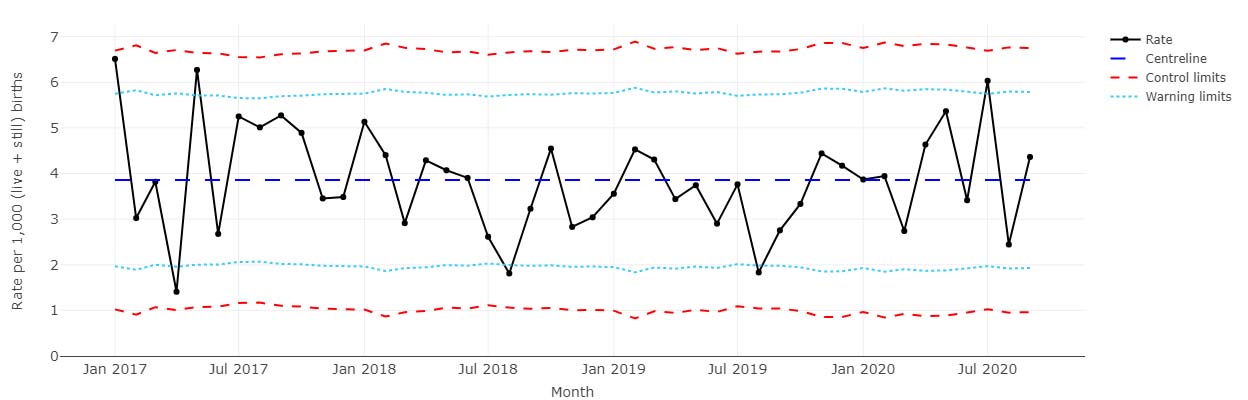
Overall numbers of stillbirths remain low and it is not clear what is behind the rise.
In July there were 20 stillbirths in Scotland, representing six in every 1,000 births. The usual rate hovers around four for every 1,000.
Pregnancy charity Tommy’s told healthandcare.scot it is too early to find a definitive answer but says the cause could be related to disruptions to care and not the virus itself.
A similar thematic review has been launched in England by the Healthcare Safety Investigation Branch. The body will investigate 40 stillbirths which took place when some of the most stringent social restrictions were in place between April and June 2020. 24 Stillbirths occurred over the same time period the previous year in England.
Scottish Labour’s Monica Lennon had asked the government what action it was taking to review stillbirths and perinatal outcomes during the pandemic, and whether there was an increase in intrapartum stillbirths – those occurring during labour – in the early months of the outbreak.
In response, Mr FitzPatrick said: “Whilst the data does show increases in some recent months in stillbirths, it is not possible at this stage to say whether this is indicative of a sustained increase or due to monthly fluctuation
“However, in light of these monthly increases, the Maternity and Children’s Quality Improvement Collaborative team, part of the Scottish Patient Safety Programme, is currently working with Health Boards to review the causes of the stillbirths that have occurred during the covid-19 pandemic and identify any risks or patient safety issues.
He added: “The initial outcomes of this work will be discussed by the Scottish Government multidisciplinary expert Stillbirth Group at their next meeting in December 2020.”
Professor Alex Heazell, Director of Tommy’s Stillbirth Research Centre at the University of Manchester says the effects of the virus are still unclear – but warns changes could be down to disruptions in care.
“There are seasonal variations in stillbirth rates every year, so we need a bigger picture before we can understand the national or global impact of covid-19 – and unfortunately it’s too early to see that yet.
“Our research suggests the virus doesn’t usually cross the placenta, and doesn’t appear to be directly related to stillbirth; any change in stillbirth rates could be due to changes in the care system, which is why it’s so important that expectant parents keep going to their appointments and seek help for worrying symptoms like reduced baby movements.
“The pandemic is still unfolding, and solid research evidence takes time to develop. For example, some studies that found a rise in stillbirth rates were using hospital data, but many people gave birth at home during lockdown so we need to know what happened to them too before we can actually see if there’s cause for concern.
“There are a lot of questions right now, but Tommy’s is collaborating with scientists across the world to find the answers.”
Bulletin – Sign up for all the latest news and events. Tags: Child Health; Infectious disease. |