|
Scotland records 10,000 alcohol deaths in ten years |
Related newsInfection risk petition set to fail Aberdeen A&E first to offer routine HIV tests ‘Major’ update to One Health AMR register Chief Medical Officer: ‘Critical connections’ priority European approval for Livingston-made vaccine UK joins forces to combat antimicrobial resistance 
|
|
|
||
|
||
|
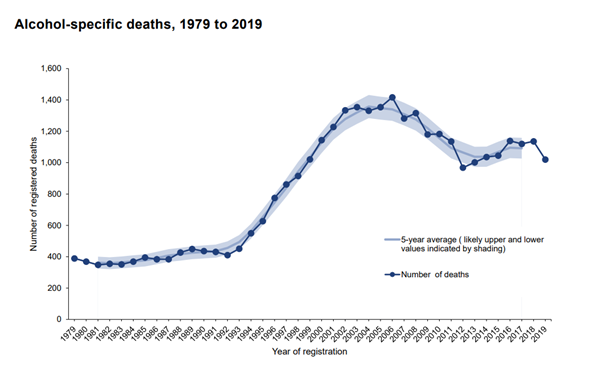
The total number of Scots dying because of alcohol has surpassed ten thousand in the last decade, prompting a call for the minimum unit price for alcohol to be increased.
New figures published today show the number of alcohol-specific deaths actually dropped by 10% in 2019 to1,020 – the lowest number since 2013.
It means 10,784 people have now died because of alcohol in a decade in Scotland.
However the figure does not include deaths where alcohol is a known contributory factor such as cancer, suicide and road accidents.
One charity claimed the problem is "hidden in plain sight" and called for more action from government, pointing out that alcohol has claimed more lives than drugs have.
This is the first full year of data since minimum unit pricing was introduced in May 2018.
Chief Executive of the charity Alcohol Focus Scotland, Alison Douglas, has warned that “deaths from alcohol remain far too high” despite the fall in the yearly figure.
“Each one is preventable and represents a life cut tragically short, with many more lives scarred by loss. We must do more. Alcohol Focus Scotland believes now is time to review the 50p minimum price.
“The impact of the current rate is likely to have been eroded due to inflation during the eight years which have elapsed since Parliament passed the Alcohol (Minimum Pricing) (Scotland) Act 2012.
“We also now have more information about how MUP operates in practice. These data can help us recalibrate the price to ensure we maximise the benefits of this life-saving policy.”
A survey carried out in July found more than half of people who started drinking more during lockdown did so to try to deal with stress.
Addiction charity Scottish Families Affected by Alcohol and Drugs (SFAD) is raising concerns that harmful lockdown drinking habits will continue unless action is taken to help people access community-based treatment and support options that were largely suspended due to covid.
The charity has said what could have been a short-term trend in the spring as the country adapted to restrictions alongside new pressures and anxieties, seems to be continuing as calls to SFAD’s helpline has continued over the summer and into autumn.
Justina Murray, SFAD CEO, stated: “Scotland’s ongoing unhealthy relationship with alcohol means that alcohol harm and alcohol deaths are hidden in plain sight.
“Significant resource, media interest and political weight are focused on the critical issue of drug-related deaths, but we need to remember that more people in Scotland have died through alcohol over the past ten years.
“These lives are equally important and their families also deserve better.”
SFAD’s helpline has seen a 78% increase in contacts this year overall, including a 122% increase in concerns around alcohol from people worried about their own use, and from their family members.
Since March the charity has been highlighting the challenges for individuals and families trying to reach community-based treatment services as walk-in support was largely suspended because of covid-19.
Services continue to be extremely hard to reach, SFAD says, particularly for new referrals at a time when more people are reaching out for help.
“Today we are focusing on the 1,020 new alcohol deaths recorded last year,” the charity said, “but these figures will only continue to rise unless we can rapidly and effectively link people into community-based treatment and support options.”
Last week a coalition of doctors concerned about alcohol consumption called for tougher regulations related to alcohol, including allowing only government-run shops to sell it.
Sign up to our bulletin for key health & social care updates straight to your inbox.
|