|
Innovators need ‘strong understanding’ of regulation |
Related newsEnsuring innovators are in safe hands NHS dentistry "challenging but not totally broken" Digital health: This is the moment Call for genomic test for every cancer patient Adopting innovation can be ‘Once for Scotland’ 
|
|
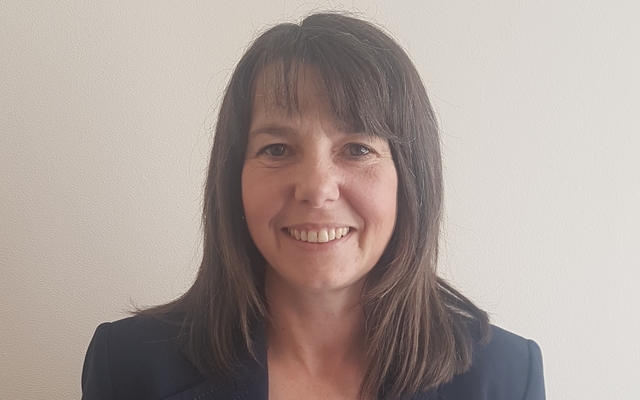
Elaine Gemmell, Head of Regulatory Affairs at SHIL
|
||
|
||
|
Scottish innovators seeking to develop solutions for Scotland’s health and care sector are being advised to think early about how their devices, apps or diagnostic tools can meet the expectations of regulators.
That’s the message from Scottish Health Innovations Ltd (SHIL) and NHS Greater Glasgow and Clyde’s Medical Devices Unit, who are hosting a free seminar tomorrow to introduce innovators from Scottish companies and academia to the complex world of medical device regulation.
Head of Regulatory Affairs at SHIL, Elaine Gemmell, says the appetite for innovation in health and care – but it needs to be compliant to be used.
The medical device industry has seen unprecedented growth over the course of the pandemic and regulators have been more flexible against a backdrop of fast-changing advances in science and technology. Primarily, the regulatory landscape has continued to evolve due to Medical Device Regulation (MDR) implementation and the fallout from Brexit.
This has produced a complex, multi-faceted scenario. Indeed, with a new Medical Device Regulation coming into force across Europe, earlier this year the UK chose to retain pre-existing rules while also introducing mechanisms to allow it to draw up separate rulings for the sector in the future.
With that in mind, consultation on future medical device regulation in the UK is now underway and will conclude this month prior to implementation in 2023. This is expected to result in more stringent regulation, with the prospect of a standardisation of procedure to be particularly welcomed.
In its own words, the Medicines and Healthcare products Regulatory Agency (MHRA) is working to develop a “world-leading future regime for medical devices that prioritises patient safety while fostering innovation.”
Undoubtedly then, it is vital that innovators now have a strong understanding of the processes involved when developing compliant devices for healthcare settings.
In addition to covid-19 treatment needs, telehealth and digital solutions have of course been of paramount importance with many people unable to see their doctors in person. This has served to bolster demand for medical device innovation to meet the immediate requirements of patients and doctors alike – and it seems likely that demand for these remote services will continue, as will the need for the software and devices, likely to be commercial mobile phones, that make them possible.
Before the pandemic, there was movement towards increased governance around this heightened innovation. Now, however, far-reaching new regulations are having a significant impact on everyone involved with medical devices – from their manufacture to their use.
A strong understanding of regulatory compliance must therefore be closely intertwined when attempting to harness the true potential of new innovations early on in the development process.
Innovators have to be supported in their grassroots understanding of what is required of them from a compliance point of view, so that good practice is inherent in product development strategies and many of the criteria in the specification will have already been met when products are initially presented for assessment.
Essentially though, while digital and data-driven health and care technologies have the potential to deliver huge benefits, the adoption of promising technologies must be approached responsibly and transparently with trust and the NHS’s reputation for delivering safe and ethical care consistently upheld.
There are inherent dangers in the increasing use of data-driven technologies, whether it is accountability, safety, fairness, or bias – the latter particularly if it benefits some groups while excluding others. Equity must remain foregrounded.
Likewise, privacy and rights must be carefully safeguarded with those affected by new innovations kept properly informed on how and when data involving them is shared.
In turn, it means real demand for new skills in this area and across many areas of the industry for the foreseeable future, and the need for regulatory expertise is expected to remain high.
Discussing all of these new regulatory permutations, Scottish Health Innovations Ltd (SHIL) has teamed up with NHS Greater Glasgow and Clyde’s Medical Devices Unit (MDU) to host a webinar tomorrow (Thursday 25 November), where I will be joined by MDU’s Technical Operations Manager, Robin Sayer.
The session is aimed at Scottish-based SMEs, researchers and NHS employees involved in healthcare device innovation.
Together we will explore areas including how to prepare to meet existing and future regulations, if UK and EU medical device regulations apply to your device, an introduction to quality systems and technical files, and how the NHS and SHIL can support your device development and regulatory compliance.
It is vital that innovators have a strong understanding of the processes involved when developing compliant devices for healthcare settings. With that in mind, our session will provide an overview of the key changes, implications and support available to ensure compliance with the new regulations.
Further details on the 25 November session can be found here: https://book.shsc.scot/regulatory
Elaine Gemmell is Head of Regulatory Affairs at SHIL, joining in 2002 and helping establish the organisation. With more than fifteen years’ experience in medical device development, she has experience of regulatory approval and CE marking for medical devices.
If you have news from Scotland’s health, social care and life sciences sector that you would like us to include here, please contact us editorial@healthandcare.scot
Sign up to our bulletin for key health & social care updates straight to your inbox. Tags: Devices; Diagnostics; Research & Innovation. |
