|
Long read: Diabetes and Aberdeen |
Related newsTayside team achieves global kidney study milestone Call to rethink approach to Alzheimer’s drugs Dundee celebrates part in ‘phenomenal’ cancer study Scottish life sciences to be £25bn sector Antibiotic may reduce schizophrenia risk Scotland at the table with UN healthy air commission NHS board savings push could see AI replace staff Aberdeen honours UK’s first occupational therapist Rollout of at-home kidney treatment Board chief warns extra funds won’t balance budget Cancer workforce “not on right trajectory” Exercise key to good health in type 2 diabetes 
|
|
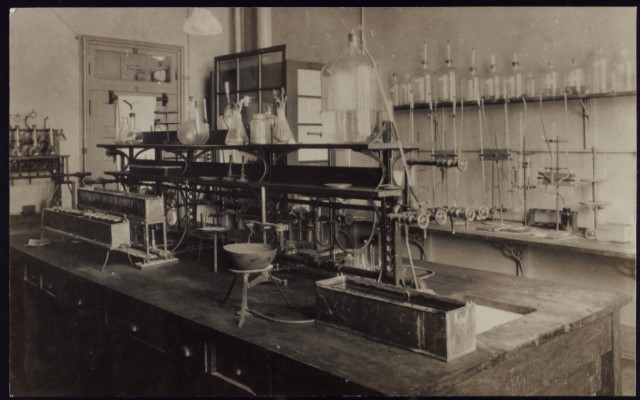
Laboratory 221 in the old Medical Building, University of Toronto
Commemorated as ’the laboratory where insulin was discovered’ © University of Toronto |
||
|
||
|
The discovery of insulin created a sensation 100 years ago, which went on to live up to all the hype. Almost overnight it offered a lifeline for diabetics destined for certain death. By June 1922, the world knew much more about the experiments which had started at Toronto University just over a year earlier.
This research left a string of legacies still with us today. Curiously, as Chris Holme explains, most have links to Aberdeen University.
Insulin takes its name from the Latin for island and was first identified in 1869 by Paul Langerhans as a hormone produced by the pancreas to regulate blood sugar levels. From then on, hundreds of scientists spent decades trying to isolate and extract it from animals but with no success.
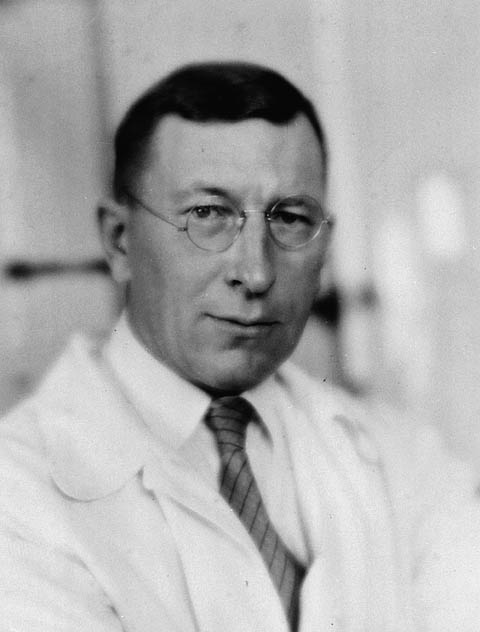
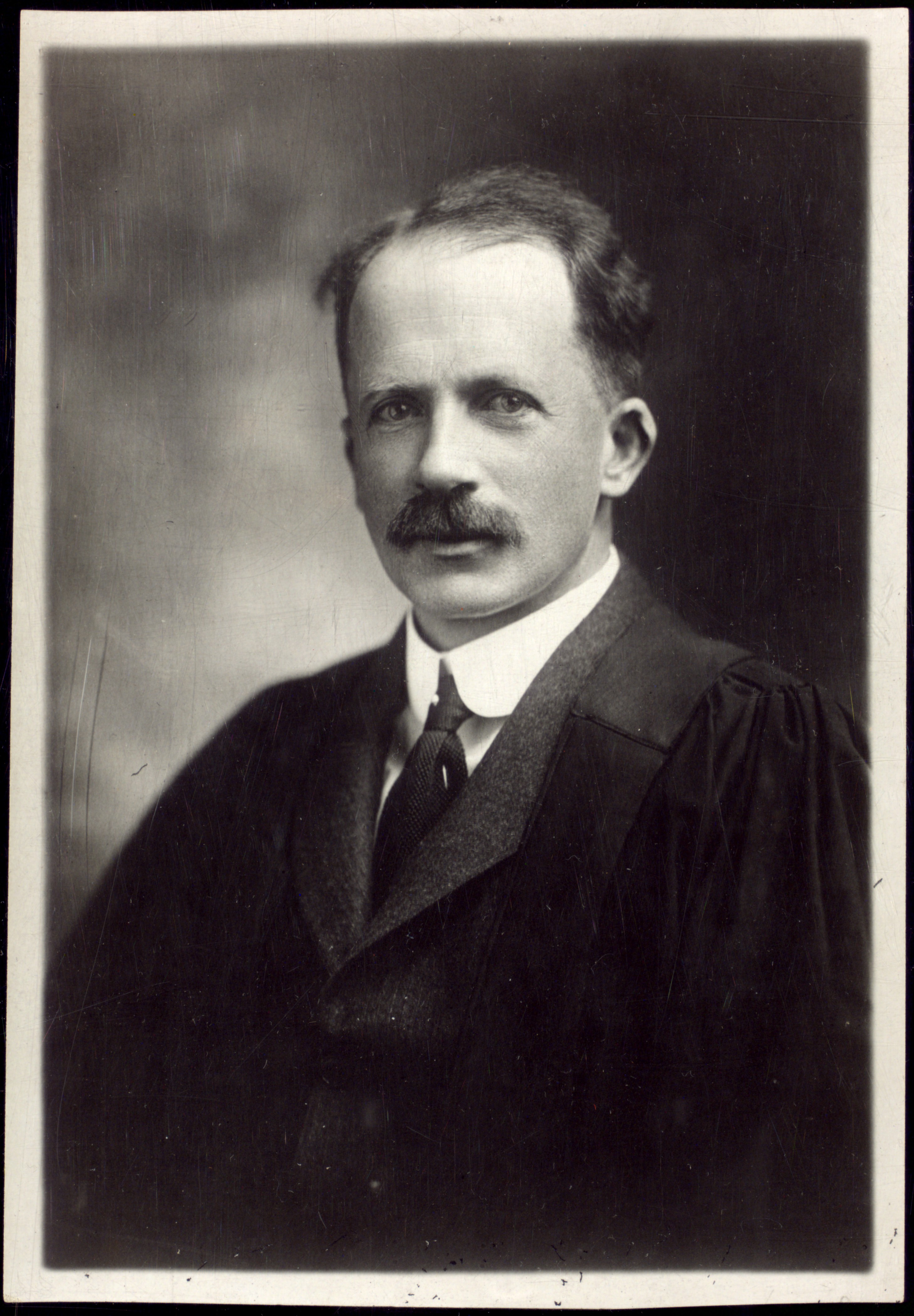
In May 1921 a young Canadian surgeon, Fred Banting, started his first experiment on healthy dogs under the supervision of Aberdeen-trained professor of physiology John (JJR) Macleod.
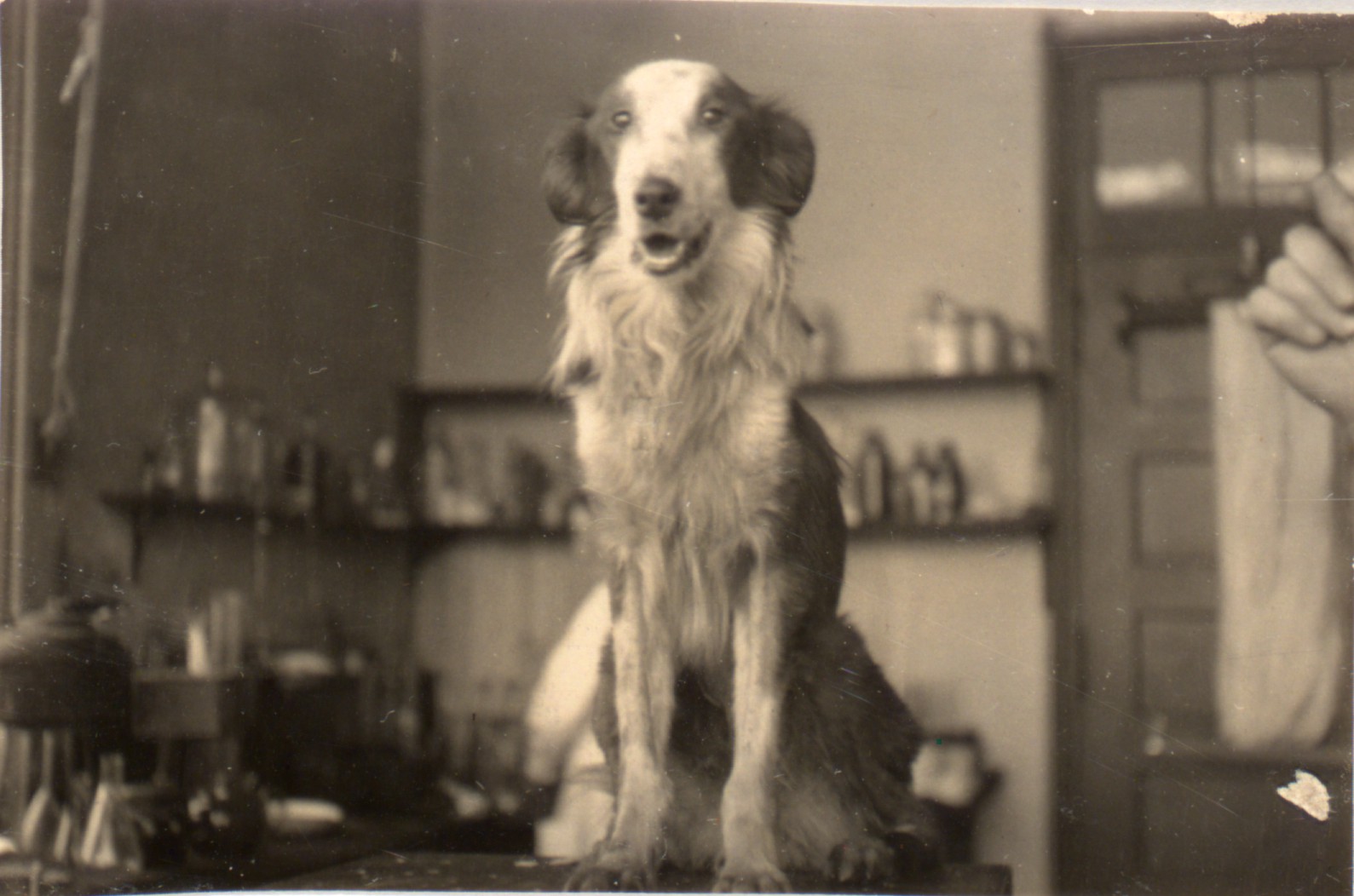
The method was to remove a dog’s pancreas, grind it down to create an extract and then inject this into the dog and measure any recovery. The very first dog, a brown Spaniel female, died within a week. More than 600 dogs were sacrificed during the research.
Later experiments by Banting and his assistant Charley Best proved more successful. Cattle provided better pancreatic material, but the challenge was to purify it and step-up production.
The speed with which insulin had been discovered and then made available was astonishing. Medicine had known nothing like it.
In October 1923, the announcement came that Banting and Macleod were to share the Nobel Prize for medicine. Banting had yet to turn 32. He was, and remains, the youngest recipient of the medicine prize.
All seemed dandy at first, but things soon turned very sour. Banting was furious at having to share the prize with Macleod and he let everyone know about it.
This became the first legacy – a rancorous quarrel which persisted for years.
Later research by Canadian historian Michael Bliss unravelled the truth – without Macleod’s constant support and advice, Banting’s experiments would have ended up as forgotten failures, along with all the rest.
Banting shared half of his prize money with Best, and Macleod shared his with Bert Collip, the biochemist responsible for purifying insulin.
Excitement continued to grip the Toronto Star and other newspapers. Macleod grew weary of the continued media intrusion and infighting. He returned in 1928 to take up the chair of physiology at Aberdeen University.
It took several months for the success in Toronto to be picked up in Britain where around ten people were still dying from diabetes every day.
It cut short the career of another Aberdeen graduate, Robin Lawrence, a junior surgeon at King’s College Hospital in London.
Rather than go home to burden his mother in Aberdeen, Lawrence decided to work out his final
days as a general practitioner treating the expat community in Florence. By this time, he was unable to manage stairs, and was feeling numbness in his fingers and feet.
Then, out of the blue, a telegram arrived from Geoffrey Harrison, his friend and colleague at King’s: “I’ve got insulin. Come quick. It works.”
Lawrence loaded up his car and, with an Italian mechanic sharing the driving, hightailed back to London. He had his first injection on May 31, 1923. The dose was largely guesswork. But it worked
By July he was back on his feet and able to control his diabetes through insulin.
Lawrence embraced his reprieve by embarking on a new career as a diabetic specialist. In 1925 he wrote a book, The Diabetic Life, to help patients and doctors better understand the disease.
One of his private patients was HG Wells, the celebrated author of the Time Machine and War of the Worlds, with whom he developed a close friendship.
By 1933, Lawrence’s diabetes clinic at King’s College Hospital was in desperate need of more space. Wells wrote a letter to The Times appealing for funds which duly poured in. This prompted a second letter - this time to set up an advocacy and self-help group for patients.
The Diabetic Association was born – later the British Diabetic Association and now Diabetes UK.
From the outset, it funded new research projects. Its first grant of £50 went to a young doctor who had fled the Nazis in Berlin to study under John Macleod in Aberdeen.
Hans Kosterlitz rose to become professor of pharmacology in Aberdeen. In his retirement, he set up a team to study addictive drugs. It had funding from several sources including the US Government worried about Vietnam veterans returning home hooked on heroin.
In 1975 Kosterlitz and his colleague John Hughes made a spectacular discovery – what became known as endorphins: the natural opiates produced by the brain which give the buzz people get from exercise and that ease the pain of severe trauma.
He was widely lauded but not with a Nobel prize – although his son Michael shared the Nobel prize for physics in 2016 with fellow Scot Michael Thouless, and Duncan Haldane.
No-one in 1922 could have foreseen the later explosion in diabetes and its various forms.
Deaths across the world from the complications of diabetes increased by 70% between 2000 and 2019 linked to the obesity epidemic. Diabetes is widely undiagnosed and by 2025 Britain will have an estimated 5.3 million people living with the disease.
Chris Holme is the founder of The History Company
Read More by Chris: The Glasgow mother of the C-section; TB and the Edinburgh physician; Scottish midwives on the frontier; Long read: The CMO who spoke the unspeakable
Sign up to our bulletin for key health & social care updates straight to your inbox. Tags: Medicines; Research & Innovation. |