|
Column: Self-Directed Support still a lottery |
Related newsNHS Scotland chief named as battle lines emerge Sceptical response to government’s care proposals Donald Macaskill: Where is Scotland going? Briefing: The 5-year plan for NHS, care and science One precedent, inconsistently applied Accelerating digital innovation in social care 
|
|
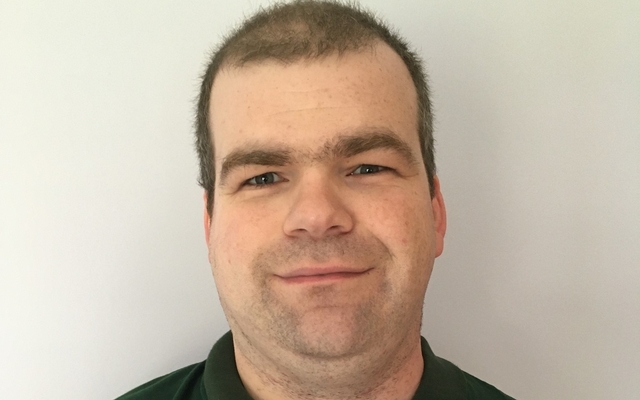
Michael McEwan
|
||
|
||
|
Journalist and campaigner Michael McEwan says Self-Directed Support has the potential to make a real difference to people’s lives, but issues in implementation has seen it not yet meet its ambitious goals.
Still a hot topic up are issues with Self-Directed Support. This would come up time after time when I worked at the Scottish Consortium for Learning Disability, almost 12 years ago.
The Self-Directed Support Act was introduced in 2013, but people are still having real issues. Under the act, people using care can choose from four options to organise their support, ranging from the council arranging care for them to employing staff themselves.
The act should see human rights at the core, but there is still a lack of awareness on the act by the very people it's was created for.
Personally I don't used Self-Directed Support (SDS) but I've been made aware of how stressful and frustrating it can be. I was talking to a number of carers about it and the most common response: it's a postcode lottery.
The aim of SDS is to help people have better lives by ensuring they have the same freedom and choice as others, whether at home, work or in community.
People should get the kind of support they want, where and when they want it, at the right time, before a crisis or emergency happens.
There are five principles in the law: involvement, information, working together, dignity and a right to take part in the life of the community.
Pauline Lunn from In Control Scotland, a charity working to unlock the potential of SDS in Scotland, said:
"Scotland has incredibly strong legislation, that is founded on human rights and centred around the person, and the self-directed support legislation is a great example of this.”
SDS give people choice, control, dignity and flexibility of how they plan and arrange the support they need to enable them to live a good and full life.
The implementation of the legislation, however, has not been as quick or consistent as many would have hoped, and this sometimes leads to people not having the full range of choices available to them.
There are thousands of stories from people using SD who have been able to achieve brilliant outcomes and it is crucial that this becomes the case for everyone, to allow Scotland's citizens to truly have the resources they need to live well.
I expanded my research to see if any other countries have similar issues, so I spoke to Simon Duffy, the Director of Citizens Network Research, part of the SDS global network .
He said: "There are problems in every country trying to implement SDS in USA, Canada, Australia, New Zealand, Belgium, and Finland."
The reviews being carried out by government agencies and support organisations hopefully will focus on the core values of SDS and how to make it work for all.
I hope we're not having the same conversation in another 12 years.
Michael McEwan is a freelance journalist.
Read more from Michael: Social care ’out of mind’ in Brexit; A hospital is not a home; A national care service for us all;
Tags: Social Care. |
