|
Integration ‘underpinned’ rapid virus response |
Related newsChief Medical Officer: ‘Critical connections’ priority ‘Systemic change’ needed for inclusive communication Watchdog criticises homelessness health service cuts Scotland’s frailty services to help address NHS waits Occupational therapy and housing partners for health Occupational therapy in Edinburgh prison 
|
|
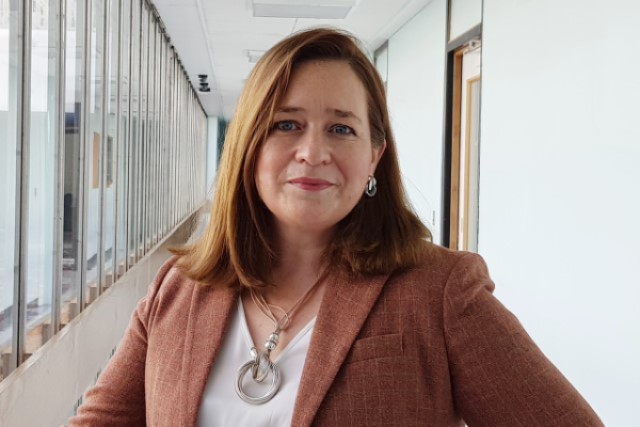
Departing HSCS head Vicky Irons
|
||
|
||
|
The departing head of the leadership body for Scotland’s health and social care partnerships says integration underpinned the country's fast response to covid-19.
In her final report as Chair of the Chief Officers Group of Health and Social Care Scotland (HSCS), Vicky Irons says past barriers to quick action in areas such as delayed discharge melted away and new links were forged between different services during the pandemic.
Ms Irons has been head of HSCS for two years while also working as Chief Officer of Dundee Health and Social Care Partnership, and is succeeded by the head of the Edinburgh Partnership, Judith Proctor.
On twitter, she said: “The last year has probably been one of the most challenging periods of my career, I know it has been for many. The pandemic has truly tested the strength of our partnerships across Scotland.
“The foundations of health and social care partnerships already in place have almost certainly underpinned our collective ability to respond at pace.”
Ms Irons’ report looking back on 2020/21 sets out key achievements including setting up new covid community hubs to divert virus patients from GP surgeries, ‘wrap around support’ for care homes and help for people shielding.
The report reveals that work is underway to improve delayed discharge processes, with an improvement advisor appointed to deliver initial findings by July and an expert group looking ‘possible targets to improve discharge performance in a more positive way’.
Public Health Scotland figures show the number of patients delayed in hospitals plummeted from more than 1,600 in February 2020 to just over 600 in April. Numbers have since increased but remain well below pre-pandemic levels.
August 2020 research by HSCS found a fear of remaining in hospital, the availability of families at home to support relatives and a changing view of risks on the part of health professionals had contributed to an ‘unprecedented’ fall in delayed discharges at the start of the pandemic.
But some felt requests from the Scottish government to discharge certain numbers of patients created ‘unnecessary additional pressure and left staff open to criticism if perceived “targets” were not achieved’.
In the report published last week, Ms Irons goes on to say that psychological support for staff who have been caring for covid patients was now more important than ever:
‘The loss of life through covid has touched our families, friends, colleagues, patients, service users, carers, and clients. And the trauma experienced by many of our teams and those in our partner organisations is significant and unprecedented.
‘Psychological care is now key to ensuring people in our partnerships are supported and encouraged to personally recover. Looking after those who care for and support others has never been more important.’
Read more: Irons: Care review offers fix for funding tensions; Integration “inconsistent & fragile” five years on; What can England learn from Scotland on integration? |
