|
Call to prioritise psychological therapies |
Related newsScots honoured in health, care and sciences Respiratory care vision unveiled Integration in action showcased at care summit Plea to rescue ambulance service’s stranded asset Strategy to make mental health services peer-led Pressures on psychiatry leaving posts unfilled 
|
|

Image: © maryviolet
|
||
|
||
|
The professional organisation for psychology is calling on the Scottish government to invest in boosting the number of psychologists and providing more for preventative and early intervention services so fewer people become so unwell that they reach crisis point.
Last month data released under freedom of information showed Scotland's NHS boards have been struggling to meet the government targets for access to psychological therapies, with some people waiting years for help.
Fife, Shetland, Tayside and Greater Glasgow and Clyde NHS boards all saw patients begin their treatment in the year 2021–22 who had been waiting over 1,000 days – more than two years and nine months. On the day the data was collected, people on the lists in Fife, Shetland and Tayside were still waiting to begin treatment after referral over 1,000 days earlier. This included one patient in Fife who had been waiting 1,482 days – over four years to begin treatment.
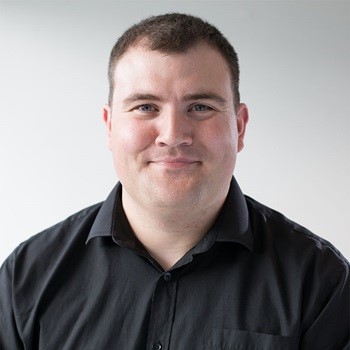
Dr Robert Morris, Co-Chair of the British Psychological Society (BPS) Scottish Branch, says the profession is deeply concerned about the delays people have experienced before getting mental health support and treatment, saying:
“The system was under strain before the pandemic, and demand has only increased, leaving many people unable to access the support that they need.
“Covid exacerbated things – be it for younger people facing particular challenges to their mental health or older generations who have gone through a period of isolation.
“From a BPS perspective, and certainly from my own perspective working in the field, we need to do as much as we can to reduce the wait time so that people can get the support that they need as quickly and as effectively and efficiently as possible.”
Dr Morris says long waits will inevitably lead to the progression of people’s mental ill health:
“It is no different from a physical illness in that, it may start off as something small, but left untreated, that becomes much, much larger. And it's the same with mental illness that something quite small, because you go through that process of rumination and continue thinking about it, becomes a much, much bigger issue, and much more challenging to deal with.
“The earlier you can intervene, the sooner you can treat and ultimately, hopefully, help the person make a full recovery.”
Dr Robert Morris
Successive health secretaries have prioritised access to psychological therapies as the most appropriate approach to helping people with mild to moderate conditions.
However, challenges remain for GPs and other healthcare professionals trying to get people the right help, with the BPS commenting that people who can afford to, now often pay for private services rather than wait.
Dr Morris says, while psychology services in Scotland are of a high standard, the profession is facing a workforce crisis of “untold proportions”. This, in turn, means that the system remains overwhelmingly reactive to people’s challenges whereas – with the right resources – it could be proactively supporting them before they begin to feel they cannot cope.
He said:
“So, while the key thing is the need for the NHS to recruit more staff, it’s also about us and how we have the right training pathways that allow those staff to develop the skills that they need to work with people on a day-to-day basis.
“And, it's not just about having more psychologists, but it's also about being creative with how we use those staff, and the psychological workforce more generally. How can we go into local communities and work proactively to help people, maybe through things like delivering social experiences and supporting groups?
“We need to be able to spend a bit more time being proactive, supporting people to prevent them getting to a stage where they need to go to hospital.
“This is a challenge for us to think creatively about how we can use our psychological workforce to keep people well – not just thinking about how we intervene when somebody has a mental illness or mental challenge, but how we do that upfront, far earlier.”
Read more: Early intervention in youth suicidality often missed; Patient waited four years for psychology support; Call to include elderly in suicide prevention strategy.
Sign up to receive our bulletin for key health & social care updates straight to your inbox. |