|
RSV vaccine rollout for Scotland to launch in August |
Related newsFlu deaths in Scotland reach a 45-year high Protecting public health through pathogen genomics Scotland at the table with UN healthy air commission Pharmacy’s road to stigma-free drug dependency care Greener NHS research funding boost GPs are the solution to NHS crisis, says College Breastfeeding project bridges generations Shocking levels of violence towards NHS staff Primary schools in breastfeeding project first Scotland’s frailty services to help address NHS waits NHS Greater Glasgow and Clyde welcomes new chief Cancer patient support bolstered by new funding 
|
|
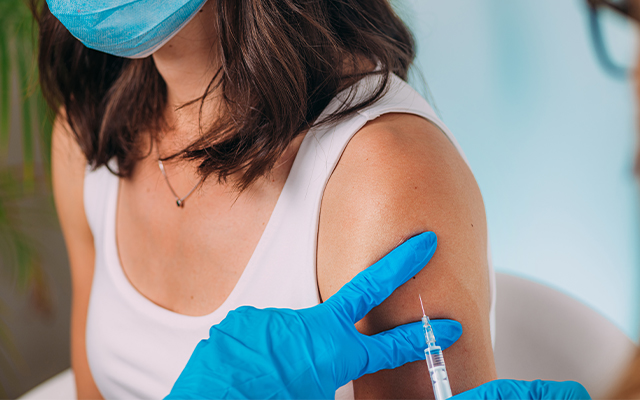
Image Credit: © Microgen
|
||
|
||
|
With increasing numbers of hospitalisations related to Respiratory Syncytial Virus (RSV) reported among adults 75 and older in recent years, Public Health Scotland says Scots invited to the new vaccination rollout should get vaccinated to protect themselves and others.
Scotland’s RSV vaccination programme is set to begin later this summer, with older adults to receive their invitation letters soon.
Public Health Scotland (PHS) is encouraging as many people as possible to take up their invitation and get vaccinated, as more people are spending time in hospital as a result of the virus.
RSV is a common and highly infectious respiratory virus, and more than half of the over 1,000 cases recorded in adults 75 and over in Scotland had to spend time in hospital.
It is also the leading causes of emergency respiratory admissions to hospital in Scotland in infants, with 1,516 children aged under one hospitalised with the virus last year.
RSV affects the breathing system, generally causing mild illness with cold-like symptoms, such as a runny nose, cough, fever, or decrease in appetite.
Dr Nicholas Phin, Director of Public Health Science at PHS, said:
“Vaccinations have played a major role in protecting the health of people across the globe over the last 50 years. The launch of Scotland’s new RSV vaccination programme marks another significant step forward to protect the health of the population.
“RSV can be very serious for those who are more vulnerable, such as older people. In recent years, we’ve seen an increase in those aged 75 years and over being hospitalised for RSV, which is a concern.
“That’s why we’re asking all those who are eligible for the RSV vaccine to look out for their letter and take up the offer to protect themselves against the more serious complications of an RSV infection.”
Although many recover after two to three weeks, RSV can affect the lower airways in some people and cause severe illnesses such as pneumonia and bronchiolitis, leading to complications.
Following advice from the Joint Committee on Vaccination and Immunisation, PHS has been working with the Scottish government and NHS boards to develop plans for the roll out of Scotland’s RSV vaccination programme to protect newborns, infants and older adults.
Appointments will start in August 2024.
Those turning 75 years old on and between 1 August 2024 and 31 July 2025 will be invited first. The vaccine will also be offered to anyone who is aged 75 to 79 years old on 1 August 2024 as part of ‘catch up’ programme.
Lanarkshire GP Dr Mike Coates said:
“I’m delighted that there is now going to be a vaccination programme in Scotland to help some of those who are most at-risk from getting an RSV infection. RSV is a common respiratory virus, like the cold or flu, that can lead to very serious infections in some people, such as pneumonia and bronchiolitis, which is an infection of the small airways of the lung.
“If you are eligible, getting vaccinated is the best and simplest thing you can do to protect yourself or your newborn baby from RSV and any potentially serious illness it can bring. For older adults who will receive a letter in the post, I would strongly encourage you to read the information and attend the appointment to get your RSV vaccine.”
Also starting from August, pregnant women will be offered the vaccine during discussions with their midwife from 28 weeks into their pregnancy.
The timing of the vaccine aims to help protect their newborn babies from serious illness caused by an RSV infection.
Justine Craig, Chief Midwifery Officer of Scotland, said:
“I encourage pregnant women to take up appointments for RSV vaccination, and discuss with their midwife, to protect their babies from the virus during the first weeks and months of life.
“RSV is one of the leading causes of hospitalisation in a baby’s first year of life and this vaccine could save lives. Vaccination could avoid thousands of GP, A&E visits and hospital admissions.
“Vaccinations will be in place from early next month to maximise the benefit to pregnant women and their babies ahead of winter.”
Read more: Long COVID: Alone and forgotten; Removal of mask wearing ‘dangerous'; European approval for Livingston-made vaccine; Long COVID projects share £3m funding; Protecting public health through pathogen genomics; Introducing Inclusive New Normal
|