|
One-time child smoker supports new ban |
Related newsScots kidney disease patients urge politicians to act Holyrood hears calls for more inclusive communication Charity: follow up more positive bowel cancer tests Government urged to make lung health a priority Cancer charity warns of billion-pound research gap Making cervical cancer a ‘rare disease’ 
|
|
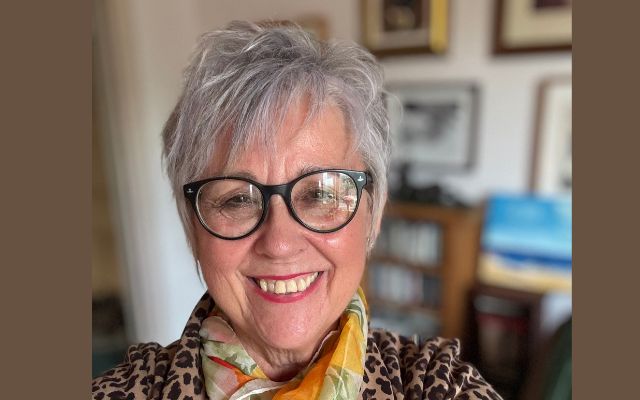
Image: © CRUK
Rosa MacPherson
|
||
|
||
|
Cancer Research UK says nearly 30,000 smokers will get cancer in Scotland in the next five years if current trends continue without legislation to curtail cigarette sales.
A vote is due to be taken by the Westminster parliament today on taking forward legislation to make it illegal to sell tobacco to anyone born on or after 1st January 2009 – a move supported by an Alloa woman whose smoking from childhood led to a diagnosis of uterine cancer.
Cancer Research UK (CRUK) has urged the Scottish parliament to introduce a similar law as smoking remains the leading cause of cancer in Scotland.
CRUK’s executive director of policy, Dr Ian Walker, says tobacco kills two thirds of those who smoke, and will lead to around 29,400 cancer cases in Scotland over the next five years if trends continue:
“We know that smoking rates decline with government intervention.
“Raising the age of sale of tobacco products and funding cessation services will help to protect people from a lifetime of deadly and costly addiction.
“The [Westminster] Tobacco and Vapes Bill could be one of the most impactful public health interventions in my lifetime. People’s lives are now in the hands of politicians, and I urge all MPs to vote for a future free from the harms of tobacco.”
Former smoker and grandmother Rosa MacPherson, aged 68, says raising the age of sale of tobacco will make a big impact on society, and prevent others from following her path, experimenting with smoking at nine and by the time she started secondary school three years later, she was smoking regularly:
“As a 12-year-old, the health implications of taking up smoking didn’t really cross my mind.
“I remember at school being shocked at being shown a blackened lung during a talk, but my response to seeing that was to go outside for a cigarette.
“At the time, smoking was such a huge part of my identity. I was the one who had a pack of cigarettes in my school blazer pocket. Or when we went out cross country running, I’d push a pack of five cigarettes down my bra and my friends and I would light up at the park as soon as we were out of sight.”
Rosa says she managed to stop smoking permanently in January 2007, only to be diagnosed with uterine cancer at the end of the following year
“Doctors told me the cancer was linked to me having smoked all my life,” she says.
“That was shocking to hear.
“I am just counting my lucky stars the disease was found at a very early stage. This meant the surgery I had to treat the disease was successful and I’ve been cancer-free ever since.”
Early detection and new treatments
At the CRUK conference in Edinburgh yesterday, a number of speakers presented work on early detection of cancers, including pilots in NHS Grampian and Greater Glasgow and Clyde using AI to identify and prioritise abnormal X-rays for early assessment by radiologists.
Speaking at the conference, CRUK chief executive Michelle Mitchell repeated a call she’d made earlier this year at a meeting in the Scottish parliament, for Scotland’s universities, clinical and industry communities to come together to build a research hub to match centres in Cambridge, London and abroad, to take forward innovation in cancer diagnosis and treatment.
She told delegates that both patients and the economy of Scotland would benefit:
“The theme of conference is about innovation, and one reflection I have is, for Scotland to ensure that its research environment realises its potential, and if we want to retain a global excellent position in research and life sciences, then we need to look to the future and look to partnerships that are possible.
“There’s an opportunity, I believe, in Scotland, to explore with our university partners and stakeholders, building and developing a multidisciplinary, multi-disease biomedical institute.”
Read more: Biomarkers can improve melanoma patient care; Rapid cancer diagnostic network improves outcomes; Lung cancer screening could save 1000s of lives; Major investment in Scotland’s cancer research
Sign up to our bulletin for key health & social care updates straight to your inbox. |