|
Scots urged to act fast on head and neck cancer |
Related newsHealth and charity leaders join forces for NHS reform Doctors say GP funding boost “just the start” Scotland falling behind on lung cancer screening Less than full-time – behind the NHS trend Doctors invited to shape medical workforce reforms Chief Medical Officer: ‘Critical connections’ priority 
|
|
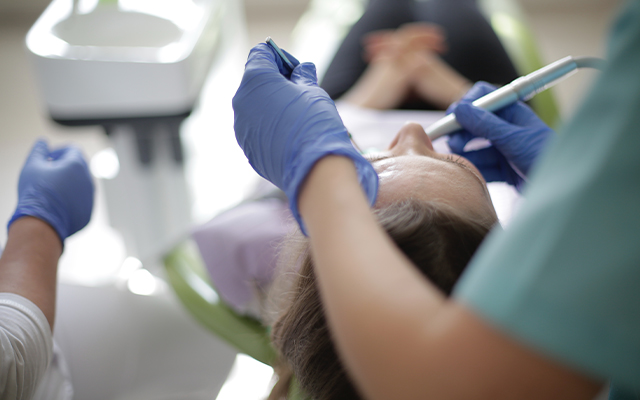
Image Credit: © Andrea Piacquadio on Pexels-
|
||
|
||
|
People across Scotland are being encouraged to get potential symptoms of head and neck cancer checked earlier in the latest phase of the ‘Be the Early Bird’ campaign.
The Scottish government’s campaign has brought together people who were diagnosed early with the Cabinet Secretary for Health and Social Care to share the impact of early cancer detection.
Despite being the sixth most common cancer in Scotland, with around 1,300 new cases a year, only one third of head and neck cancer patients are diagnosed early.
The campaign encourages people to recognise possible cancer symptoms like unexplained weight loss or bleeding and not delay contacting their GP practice or dentist.
However, doctors have already called for urgent action from the government this year, revealing that government figures underestimate the scale of NHS doctor gaps while nursing staff shared corridor care is the ‘the norm’ in hospitals where overcrowding is met with a stretched, underresourced staff.
Meeting Mr Gray, a group of people who had cancer detected early, the ‘early birds’ shared their stories of how this provided more treatment options, helped them live well and allowed them to continue doing the things they love.
The group are urging people with unusual, persistent symptoms to do the same and act early.
Daniel Morrison, 30, from Cambuslang in Lanarkshire, was diagnosed with salivary gland cancer. Now recovering and living well, he said:
“It’s thanks to spotting my cancer early that I’m now delighted to say I’m in recovery and able to look forward excitedly to the future with my young family.
“I’d noticed fluid under my tongue and felt really fatigued but it’d be easy to try and ignore as nothing. I’m so thankful however that I got checked early, treated and looked after by a team of amazing medical experts throughout.
“This is why I’m passionate about the Be the Early Bird campaign - it’s so important that people understand the difference contacting your GP practice early can make.”
Cabinet Secretary for Health and Social Care Neil Gray added:
“Early detection is so important to cancer care. The stories from our ‘early birds’ demonstrate the positive impact it can have on treatment and outcomes.
“So, I’m urging everyone to make sure they contact their GP practice about any unusual, persistent symptoms.
“The sooner we act, the better the chances for treatment and recovery. Let’s be vigilant – if something doesn’t feel right, don’t wait, get checked early.”
Dr Gillian Leslie, Deputy Chief Dental Officer for Scotland, said dentists play a key role in early diagnosis of some cancers and is urging people to attend their dental check-ups:
“Head and neck cancer incidence rates have gradually increased over the past decade, making early detection more important than ever. Dentists play a vital role in detecting signs of cancer.
“Routine dental examinations allow us to identify subtle changes in the mouth and throat, and surrounding tissues that could signal early-stage cancer.
“Most importantly, if you notice any sores, lumps, red or white patches that do not go away after three weeks, don’t wait until your next appointment – we want to see you. It’s crucial not to dismiss any potential symptoms. Get checked right away.”
In the government’s campaign film, symptoms of head and neck cancer including a neck lump are highlighted, while the Get Checked Early page provides more stories of early cancer diagnosis from people across Scotland.
GP Dr Douglas Rigg emphasises the importance of sharing your symptoms however embarrassing they may feel initially:
“If you are worried about unexplained bleeding, an unusual lump, unexplained weight loss or something that doesn’t feel normal for you, we want to know.
“Don’t be embarrassed or sit at home worrying, give your GP practice a call.
“It probably won’t be cancer but if it is, finding cancer earlier can mean a much wider range of treatment options being available, and a better chance of living well again.”
Read more: Researchers: policy needed for patient ‘missingness’; NHS will “struggle to see out” 2025, say doctors; Labour: We'll fix the NHS, starting with GPs; Scotland ‘sleepwalking’ into private healthcare; Scheme for GPs to help lost patients extended; Chief medic: Innovate to tackle health & planet crises; Current metrics fail to capture full NHS activity
|