|
Care worker visa changes ‘inhumane’ and risks services |
Related newsFM candidates asked if they care about care ‘Too many missing out’ on palliative care Call for windfall tax on care agency profits Kerley: Don’t talk about a postcode lottery NCS Lived Experience Panel Launched Care homes urged to act early on improvement 
|
|

Image Credit: © Rob.
|
||
|
||
|
Proposals to scrap care worker visas fail to recognise Scotland’s distinct demographic and workforce challenges and would be ‘profoundly damaging’ to the social care sector, say the Scottish government and a leading social care organisation.
Both the Scottish government and care sector body Scottish Care are calling on the UK government to “urgently reconsider” the proposals announced today which end special arrangements for overseas social care recruitment.
Scottish Care say current UK policies, including the ban on dependents, increased salary thresholds, and the sharp rise in employer sponsorship costs, already undermine recruitment and retention care staff.
It adds that international recruitment is currently a ‘necessity’ and the UK government’s proposals removing the visa route would exacerbate this crisis and see vital services at risk – directly harming those who rely on them.
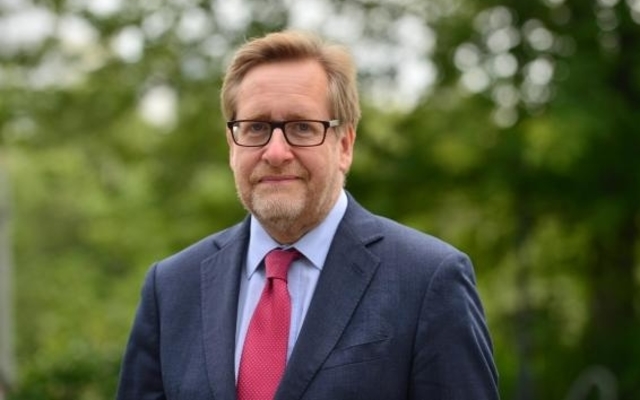
Scottish Care CEO Dr Donald Macaskill said these “reckless” proposals must be reconsidered:
“The UK government’s direction of travel on immigration continues to reflect a hostile and dehumanising culture that fundamentally contradicts the values of compassion and care that underpin our sector in Scotland.
“The potential ending of the social care visa route would not only be irresponsible, but it would also be reckless. It would put lives, services, and whole communities at risk.
“Scotland needs a workforce immigration policy that is fair, humane, and rooted in the needs of our population, not driven by political headlines or populist sentiment. Anything less fails the people of Scotland.
“Scottish Care urges the UK government to urgently reconsider these proposals and engage with Scotland’s social care sector to create a sustainable, rights-based immigration system that truly supports those who care for others.”
Scotland’s Equalities Minister said today that the plans to end international recruitment of care workers will be “devastating” for the care sector in Scotland and across the UK.
Kaukab Stewart MSP urged the Home Office to ‘rethink’ its immigration proposals to take account of Scotland’s distinct population needs.
Ministers say there has been ‘no substantive’ engagement from the Home Office on any policy proposals that Scotland had contributed during the development of these plans.
Population needs
Over 66% of surveyed Scottish Care members – who are employers of care workers across Scotland – report that they are actively recruiting from overseas.
Meanwhile, a quarter of care workers in Scotland’s rural and island communities are from outside the UK.
In its response today, Scottish Care said this reliance reflects the demographic reality of a nation that urgently needs to attract working-age people to deliver essential care and support services.
It adds that the proposed changes are a ‘direct assault’ on thousands of citizens who rely on care and support to live their lives and calls for the UK to recognise the skilled, compassionate care workforce:
‘What is needed is an immigration approach that is non-party political, evidence-based, and tailored to Scotland’s demographic needs. The political weaponisation of migration must end.
‘Social care workers are not statistics or burdens, they are skilled professionals who deserve dignity, the right to family life, and the respect of the country they serve.’
Royal College of Nursing Scotland also called for governments to work together on an immigration system that delivers for all health and care staff and those receiving care.
Director Colin Poolman told healthandcare.scot:
“Scotland’s health and care services are very reliant on nursing staff from overseas, especially in social care.
“While the Scottish government’s focus must be on growing a domestic workforce, it also needs to work with the UK government to develop an immigration system that works for all care staff, nurses and the people who rely on them, wherever they are in the UK.
“This will give people the security, respect and stability they need to continue to make an invaluable contribution to our health and care services.”
This comes as the latest nursing workforce report revealed the gap between need and staffing is widening in social care, with the number of registered nurses working in care homes continuing to decline.
RCN Scotland last week joined other health leaders calling for investment and workforce planning after the First Minister promised greater capacity and access to health services.
Deep disappointment
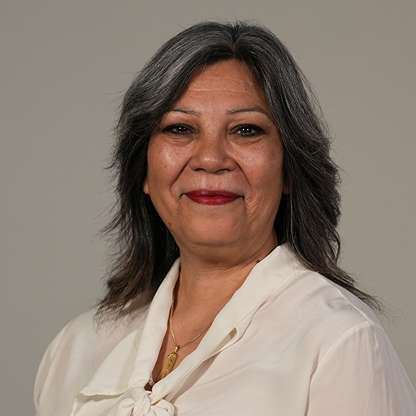
Equalities Minister Kaukab Stewart MSP said the UK government’s plans on migration stand in “stark contrast” to Scotland’s values and workforce needs:
“The Scottish government is proud to welcome and support people from around the world to live, work and build their lives in Scotland.
“Not only does migration enrich our communities and culture, it is vital for economic growth, public services like the NHS and addressing our population challenges.
“Scotland needs talented and committed people from across the world to live, work and study here without excessive barriers.”
She said a one-size fits all approach “fails to meet the needs” of Scotland and much of the UK, adding:
“We are deeply disappointed that the UK government’s white paper on immigration fails to take on board our proposals to help meet Scotland’s distinct demographic and economic requirements.
“I call on the Home Secretary to urgently work with us to deliver an immigration system which is reflective of Scotland’s needs, and avoids the harm to our economy, communities, and public services which the policy decisions in the white paper will lead to.”
The Scottish government said it will soon be publishing the policy proposals it sent to the Home Office in March this year.
Read more: ‘Too many missing out’ on palliative care; Government ‘lacks urgency’ on care reforms; “Relentless focus” on health inequalities; Social care change can happen now; Racism driving social workers to consider leaving; UK care plans chance to learn from Scotland; Social inequalities worsen health for LGBT+; Care management ‘on its knees’
|