|
Study explores life with an enlarged prostate |
Related news20 years of stroke research and recovery at UKSF 2025 Scots to benefit from new NHS heart treatment Scotland’s chance to lead on disability benefit system First phase of obesity meds to prioritise highest BMIs It may not be menopause, it could be PBC Scottish health research collaboration extended 
|
|

Image: © Pixel-Shot / Adobe Stock
|
||
|
||
|
The charity Prostate Scotland is calling on men living with an enlarged prostate to take part in a national survey examining how the condition affects their everyday lives. Alison Wright (pictured) explains what's behind the study and how you can be involved.
The charity hopes men living with BPE will share their experiences, from recognising symptoms and seeking help, to diagnosis, treatment, support and the wider impact the condition has on their quality of life.
This will provide one of the clearest pictures to date of what living with BPE in Scotland is really like.
Prostate Scotland then plans to share the findings with NHS Scotland, Scottish Government and other organisations to improve understanding of BPE and help shape future service provision.
BPE is one of the most common prostate conditions affecting men as they get older. Symptoms can include needing to urinate more often, getting up several times during the night, a weaker flow, difficulty emptying the bladder and leakage.
Prostate Scotland hopes the research will also help reduce the stigma surrounding urinary symptoms by encouraging more men to go to their GP sooner.
Leann McLaughlin, Uro-Oncology Clinical Nurse Specialist and a member of Prostate Scotland's PAGES (Patient Advisory Group for Education and Support), told us:
“Needing to urinate more isn't always something sinister. It can be a sign of an enlarged prostate or other issues, but you should always go and have this checked out by a GP in the first instance to be assessed in case you require further tests. Men often assume it’s just part of getting older, so they don't go and get checked out.”
Don’t live a smaller life
Leann believes some men avoid seeking medical help despite the impact on their daily lives:
“Don't just accept these changes. There are treatments available. Nobody should feel they have to put up with symptoms that are affecting their daily life.
“For some men, symptoms become so severe that they need to have a long-term urinary catheter or self-catheterise while waiting for treatment. Alongside the physical challenges, living with a catheter can bring worries about dignity, confidence and body image.
“I see some men gradually start to live a smaller life. They stop doing the things they love because they're embarrassed about their symptoms or about having a catheter. They’re anxious about leaking urine, possible odour, finding a toilet in time, and emptying a bag or disposing of self-catheters – especially when there’s little or no provision for this in public places.
“Family celebrations, holidays, concerts, meals out or even starting a new relationship can begin to feel overwhelming. Some men withdraw quietly without telling anyone why because it feels safer. This in turn can impact men’s emotional wellbeing and mental health.”
Sarah Henning, Patient Research Coordinator at Prostate Scotland, is leading the project. She said:
“BPE affects thousands of men across Scotland, but we don’t fully understand how it shapes everyday life beyond the physical symptoms.
“That's why we’re really keen to hear from men living with BPE.
“We want to know what’s challenging, what helps, and what support is missing?
“By taking part in this research, men can be a ‘force for good’ and use their experiences to help us improve support for others living with BPE.”
Men living with BPE are invited to complete the 10–15-minute anonymous survey by visiting our research page.
Prostate Scotland is also carrying out one-to-one telephone interviews. Men who would like to take part should contact Sarah Henning to arrange a suitable time, by emailing research@prostatescotland.org.uk
The survey is open until November, with a final report due in August 2027. The research forms part of a two-year programme made possible through funding from The Grand Lodge of Scotland.
Alison Wright is CEO of Prostate Scotland.
Read more: Call for prostate screening for all Black Scots; High-fibre trial targets cancer treatment side effects; New prostate cancer treatment expanded;
Sign up to receive our bulletin for key health & social care updates straight to your inbox. |

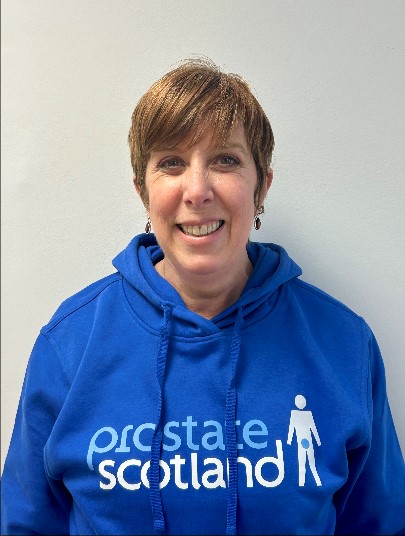 For many men, an enlarged prostate or benign prostate enlargement (BPE) is dismissed as part of getting older. Yet the condition can affect far more than bladder function. It can change how men socialise, travel, work and spend time with family and friends.