|
Concerns raised as NHS bullying payouts taxed |
Related newsPlea to rescue ambulance service’s stranded asset Edinburgh GP to chair BMA in Scotland Scottish radiologist shortage harming patients Nursing pressures creating high risk of harm RCGP: Future of general practice model at risk Strategy to make mental health services peer-led Boards hail Golden Jubilee waiting time support Shocking levels of violence towards NHS staff Agency staff paid as high as 400% to fill NHS gaps Highland GPs to reclaim vaccine services Highland to end unique health and care model Tourist lets make rural NHS recruitment harder 
|
|
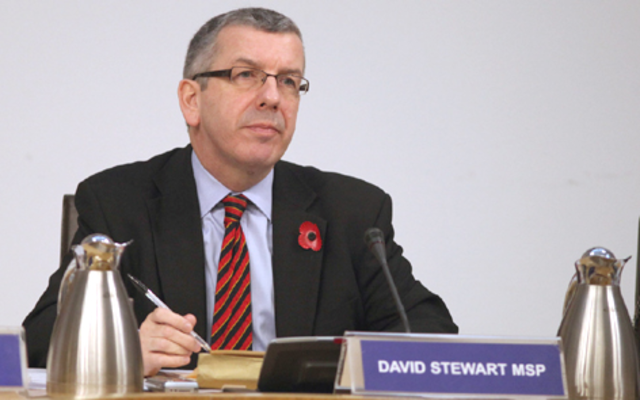
Scottish Parliament
David Stewart MSP
|
||
|
||
|
One of the victims of bullying in NHS Highland has seen their compensation payment almost halved after it was unexpectedly taxed.
In a further twist, the former Highland social work employee, who does not want to be named, says their benefits have now also been stopped as a result of the payout being treated as wages – which they say has had a further impact on their already poor mental health.
NHS Highland set up a ‘healing process’ to help current and former staff who had been mistreated at work.
It followed an independent report by John Sturrock QC finding hundreds of staff could have been affected.
Local MSP David Stewart says he had been contacted by others involved in the healing process who believe the payments should be treated as ex gratia, and therefore exempt from tax.
NHS Highland said that it was legally required to tax any payments at source, and this had been made clear throughout the process.
The former employee says they faced a multitude of mental health issues as a result of workplace bullying, leading to a suicide attempt and being unable to work.
They’ve told healthandcare.scot the £25,000 payment they were offered in compensation was reduced to £13,831 after tax and National Insurance deductions.
And, as this was classed as wages, this led to their benefits being stopped.
“I now have no income, I cannot pay rent, get food, my electricity is on emergency, I can't pay for the private therapies I need and I can't even use the money I did get, because since I still have an active benefits claim, I will get done legally for depletion of capital if I spend any of it,” they said.
Adding to the confusion, a compensation payslip received by another former worker describes the payment as "ex gratia".
Highlands and Islands MSP David Stewart has called for changes to the process and said he had been in contact with Highland health board over the issue.
“There are people really unprepared for what could happen to their benefits and what this could mean for their welfare going forward,” he said.
“There needs to be more support at the end of the system, so people aren’t taken unawares and put under more stress.”
NHS Highland says it has taken independent legal and tax advice that states payments have to be taxed at source.
Fiona Hogg, the health board’s Director of HR and Organisational Development, said that: “At no time has NHS Highland or the Healing Process stated that these would be treated as ex gratia payments for tax purposes.
“The Healing Process is not a formal legal or employment process and payments are therefore subject to deductions.”
Ms Hogg said this had been made clear to people taking part.
"It may be that individuals can then claim some of this tax back, based on their personal circumstances, but that is for them to discuss with HMRC and take forward. NHS Highland must deduct tax and NI in processing these payments and there is no discretion in applying this.
"In addition, questions have been asked about the impact of any Healing Process payments on benefit entitlement. NHS Highland does not have any influence over this or provide information to benefits agencies.
“HMRC use the information provided by payroll to share with other agencies. It is a matter for the individual to discuss with HMRC and the other relevant agencies to explain the nature of the payment and ensure it is correctly treated for benefit claims and eligibility.
“We have no input or influence on these decisions so, whilst we appreciate the situation this may place people in, it is not something that we can assist with resolving.”
Sandy Wilkie, a former HR head in Argyll & Bute health and social care partnership who says he was bullied out of his job, previously described the system as “broken” after he received a “shocking” offer of £3,000 before tax.
However Dr Iain Kennedy, an Inverness GP whose decision to go public with concerns about bullying led to the Sturrock report, said the process had been a “major success” for the majority of participants.
But Dr Kennedy voiced concerns that extra pressure on doctors caused by routine care cancellations that have built up over covid could lead to a rise in staff being mistreated.
Sign up to our bulletin for key health & social care updates straight to your inbox. Tags: Staffing & Workforce. |
