|
Insight: Who pays if care charges are abolished? |
Related news‘Rethink’ dementia support, says government Dementia care services need urgent reform Using VR to understand lived experience of dementia Scotland commits to change the dementia story Music, dance, rugby and dementia Virus care cuts “devastating” for Scots with dementia 
|
|
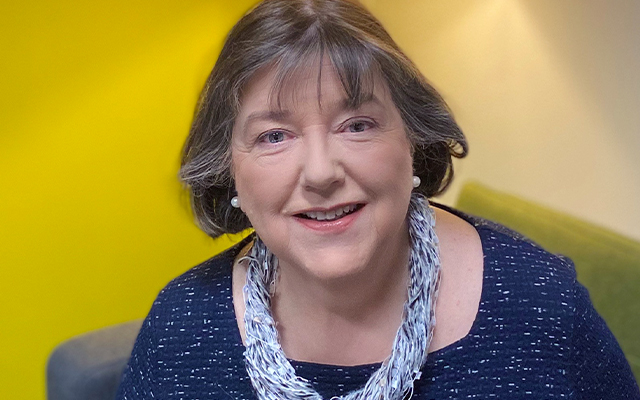
Professor June Andrews
|
||
|
||
|
I’ve been asked to comment on the SNP pre-election pledges about a National Care Service. As with all the Scottish parties’ pre-election pledges it is sometimes hard to see exactly what is meant or intended when they talk about it.
This difficulty is evidence of the problem presented to policy makers in deciding what to do about care.
One way of looking at it is to look at the conundrum that the writers of manifestos have to consider.
Specifically in my expert area, dementia, let’s look at their dilemma like this. It’s complicated and controversial.
A potential future SNP government wants to look fair and grownup.
Dementia is an issue that costs society more than cancer, heart disease and stroke put together and most of that is spent in the last few years of life, a time when society demonstrably values citizens least. Also, a lot of it is cost to the person, not the state.
Dementia care costs (whether in the community, in a care home or hospital) are rising because standards required and numbers affected are rising and continue to rise as we live longer.
“No one wants to pay more tax, but any additional free care must be paid for.”
It is manifestly ‘unequal’ that dementia, unlike care for most other medical conditions such as cancer, is not cared for free at the point of delivery by the state but is instead means-tested, so that the affluent with dementia pay for themselves and subsidise the less affluent with dementia.
The rich affected by dementia are not getting ‘equal’ treatment. You could call that a tax. Some people assume that this inequality is unfair. Others think of it as equity.
The difference with that “tax” on the affluent is that it is selective, i.e. affluent people who don’t get dementia escape this expense and also avoid paying through taxation for other people’s dementia. Jackpot for them!
Affluent people only get badly hit with dementia costs if they get hit with dementia. Previous arguments seem to be that someone has to pay, and they can afford it.
“Dementia is an issue that costs society more than cancer, heart disease and stroke put together and most of that is spent in the last few years of life, a time when society demonstrably values citizens least.”
It is not a good political look to suggest a dementia tax. Mrs May lost votes because it looked like she was introducing it. Those who would benefit most from the services paid for by that tax are already affluent.
It’s only a good tactic if you want to appeal to them as part of your broad appeal as a party. You could try selling it as a “fairness” or “equality” issue. But you are still left with the problem of equity.
Equity gives support to those who need it, not in equal measure to everyone. Means testing is a quick way of ensuring that.
Advocacy organisations and campaigners fall into the trap of advocating for “their condition” irrespective of the effect this has on other social issues.
The equalisation is a “victory” for them no matter what the cost to others or other “conditions”. They only have to think of winning for their own condition silo. Even if their victory is one that mainly benefits richer people.
If you are a left-leaning politician, you have to sell the idea that giving more care without means testing is about fairness – fairness between people-with-dementia, and between people-with-other-conditions – ignoring any class or relative affluence issues. Ditch the current equitable treatment in favour of equal treatment. This benefits affluent people with dementia and no one else.
If you are a right-leaning politician, you can sell the idea that the affluent can afford a little bit more tax and that is a small price for them to pay. It’s insurance against a big financial hit if they get dementia.
No one wants to pay more tax, but any additional free care must be paid for. Nearly everyone will have to pay more tax to prevent the affluent person with dementia shouldering a greater burden than others.
If preventing affluent people from feeling that they’ve been treated unfairly is a political aim, then making it all free is a really good idea.
With that in mind you make your choice of policy. When presenting it you can muddy the water with ideas about inheritance, and hardworking people being allowed to keep savings, and the idea that the “care industry” is ripping people off.
It feels like everyone wins, but I’m not so sure. It boils down to the same idea i.e. more taxes for everyone.
The only difference is in how you tell the story.
And the story is often being made up with an eye to the polls, not what is affordable or best for the people as a whole.
Looking at other countries, there is a world-wide trend towards more personal responsibility for those who can afford it.
Scotland would indeed be trailblazing to start heading in the other direction, particularly in the absence of a clear message about how it is to be paid for.
Professor June Andrews is the author of Dementia: The One-Stop Guide, and Care Homes the One Stop Guide, and is offering an On-Demand Online Learning Dementia Course | Policy Hub Scotland and Prof. June Andrews.
Read more: Independent care providers set out election asks; Plan to end care charges “as soon as possible”; Care home visits need ‘case by case’ approach; Private care homes - an essential part of the sector?
Sign up to our bulletin for key health & social care updates straight to your inbox. |
