|
Concerns for ‘significant pressure’ on mental health |
Related newsCall for ‘urgent’ review of ADHD and autism services Clinicians: who will deliver extra appointments? Link workers outlook: sustainability top of agenda Government adds to families fund Holyrood hears calls for more inclusive communication Dementia campaign success to inform government actions Scientists to help cut NHS medical device waste Edinburgh IJB faces judicial review over cuts Scotland’s new Chief Nurse appointed Urgent plea to safeguard advocacy amid local cuts New gene study offers arthritis treatment insights New Edinburgh hub set to transform global healthcare 
|
|

Image Credit: © dglimages
|
||
|
||
|
Holyrood’s Public Audit Committee is urging the government to publish a costed delivery plan for adult mental health services, as its new report raises concerns about the pressures facing services and staff, with poor data limiting our understanding of progress.
In this new report, the committee calls for more action from the government to deliver on its plan for mental health and wellbeing.
Maree Todd, Minister for Social Care and Mental Wellbeing, introduced the mental health action plan last November, saying that government will work to ensure a range of services that recognises the work of the third sector.
Now, the committee says the role of the third sector, including community link workers are ‘critical’ to the ability of Scotland’s primary care workforce to deliver mental wellbeing support.
While recognising that the Scottish government itself does not receive multi-year funding, the committee asks that government considers how it can provide more certainty to the sector.
Its report raises ‘considerable concern’ over the funding model for the third sector given its ‘significant role’ in supporting people across Scotland, suggesting government outline multi-year spending plans:
‘Not only will this enable organisations to plan their services more effectively, but crucially, it will provide reassurance to those using these services.’
During evidence sessions, the committee heard of an increasing demand for mental healthcare, with the pandemic and cost-of-living crisis compounding the pressure on already strained services.
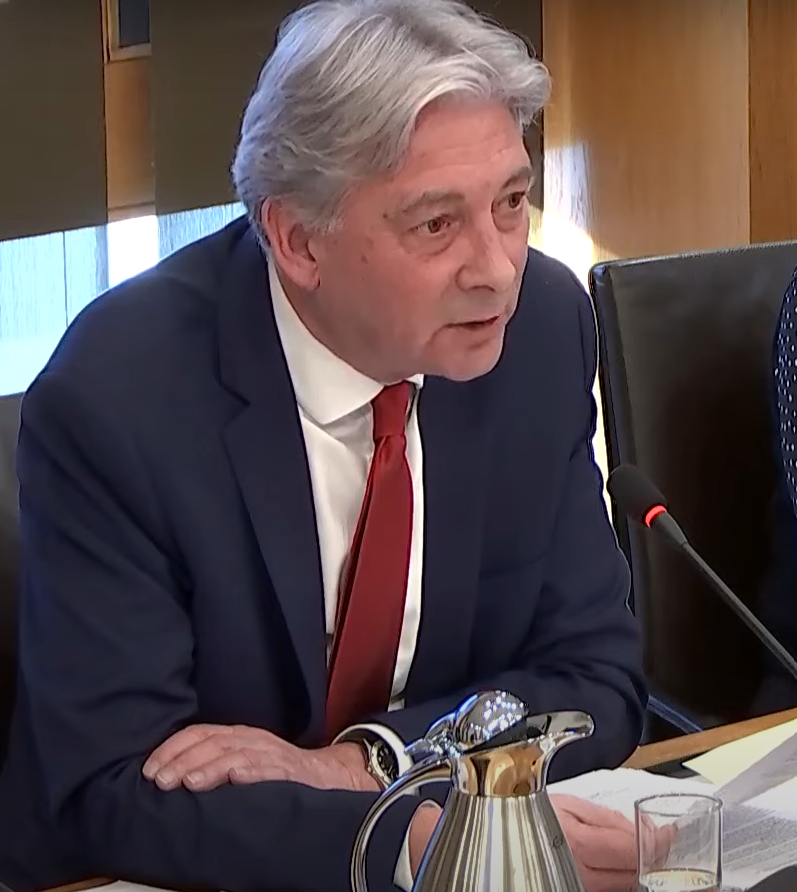
Richard Leonard, Convener of the Public Audit Committee, commented:
“We heard the message loud and clear from those we took evidence from – this is a system under immense pressure.
“Demand is rising, and despite a significant increase in funding for adult mental health services over recent years, incomplete and poor-quality data makes it difficult to know with any certainty whether this has led to an improvement in people’s mental health.”
Rising demand in a workforce crisis
The report calls on the Scottish government to work with partners to improve the quality of data available to better understand demand for services.
Among concerns are the workforce crisis facing primary care and NHS psychiatrists.
Although the report welcomes the government’s commitment to increase psychiatry training places, it says the costly over-reliance on locums poses a risk to the quality of services provided.
The committee has asked Public Health Scotland to continue its work to ensure data available is “more robust and reliable” to better understand the progress and needs of primary care on adult mental health.
NHS Scotland Chief Executive, Caroline Lamb told MSPs that the government is working with Public Health Scotland and is “committed to ensuring we get that picture of activity on adult mental health no matter where that takes place.
In its report, the committee asks that government provide an update and timetable for the completion of this work to improve the quality and availability of adult mental health data.
While the government’s commitment to ensure that every GP practice has access to a mental health and wellbeing service by 2026 is also welcome, the committee wants assurances that funding will be provided to make this commitment a reality.
Reflecting on the government’s need to protect Glasgow’s link workers for three more years, the committee says the posts are ‘critical’ to primary care and would like to see funding assurances extended further.
The first ever scoping report of link workers found that this is another area lacking good quality evaluation while echoing concerns around the sustainability of link worker programmes.
Mr Leonard said the committee will continue to monitor progress:
“The Committee welcomes the work underway to address a lack of information on primary care and will be keeping a close eye on the progress of this work.
“We are also concerned that not everyone who prefers face-to-face support is receiving it and call on the Scottish government to look into why there is such a significant variation in the number of face-to-face versus remote appointments across Scotland.”
The report underscores the pressing need for better data collection, equal access to services for minorities, and sustainable funding for the third sector to enable organisations to plan their services more effectively and to provide reassurance to people who use them that these services will continue.
Read more: Psychiatrists in ‘disbelief' over cut funding; Role of Mental Health Officers ‘critical’; Staff shortage concerns in MWC reviews; New mental health support to go national; Robots could play part in combatting loneliness; Link workers in 2023: sustainability top of agenda
Sign up to our bulletin for key health & social care updates straight to your inbox and you can follow healthandcare.scot on Google News. |