|
Treatment-resistant cancer focus of new study |
Related newsAncestry clues to lottery of who gets cancer Discarded bowel tests offer ‘unparalleled’ insights Conference to build on cancer research partnerships Matching breast cancer patients to newest trials Scots patient first to join leukaemia study Scots honoured in health, care and life sciences Enhancing independent living with robotics Law change needed for Scotland’s drug crisis Libraries offer light lift for low winter mood Medics warn pollution is risking children’s health Peer support ‘crucial’ in suicide prevention Psychedelic trial to begin Scottish phase 
|
|
Image Credit: © motortion
|
||
|
||
|
Edinburgh researchers are set to explore how aggressive ovarian cancer resists treatment, with £1.5m backing from Cancer Research UK.
The team at University of Edinburgh’s Institute of Genetics and Cancer will lead the project looking to improve treatment of one of the most common difficult-to-treat cancers affecting women worldwide.
While typically responsive to initial chemotherapy, ovarian cancer can return and resist additional courses of chemotherapy, which Cancer Research UK says remains a ‘common and devastating’ occurrence.
By collaborating with the University of Glasgow’s Cancer Research UK Scotland Centre, the Edinburgh team will investigate how resistance to chemotherapy develops as part of efforts towards reducing ovarian cancer rates.
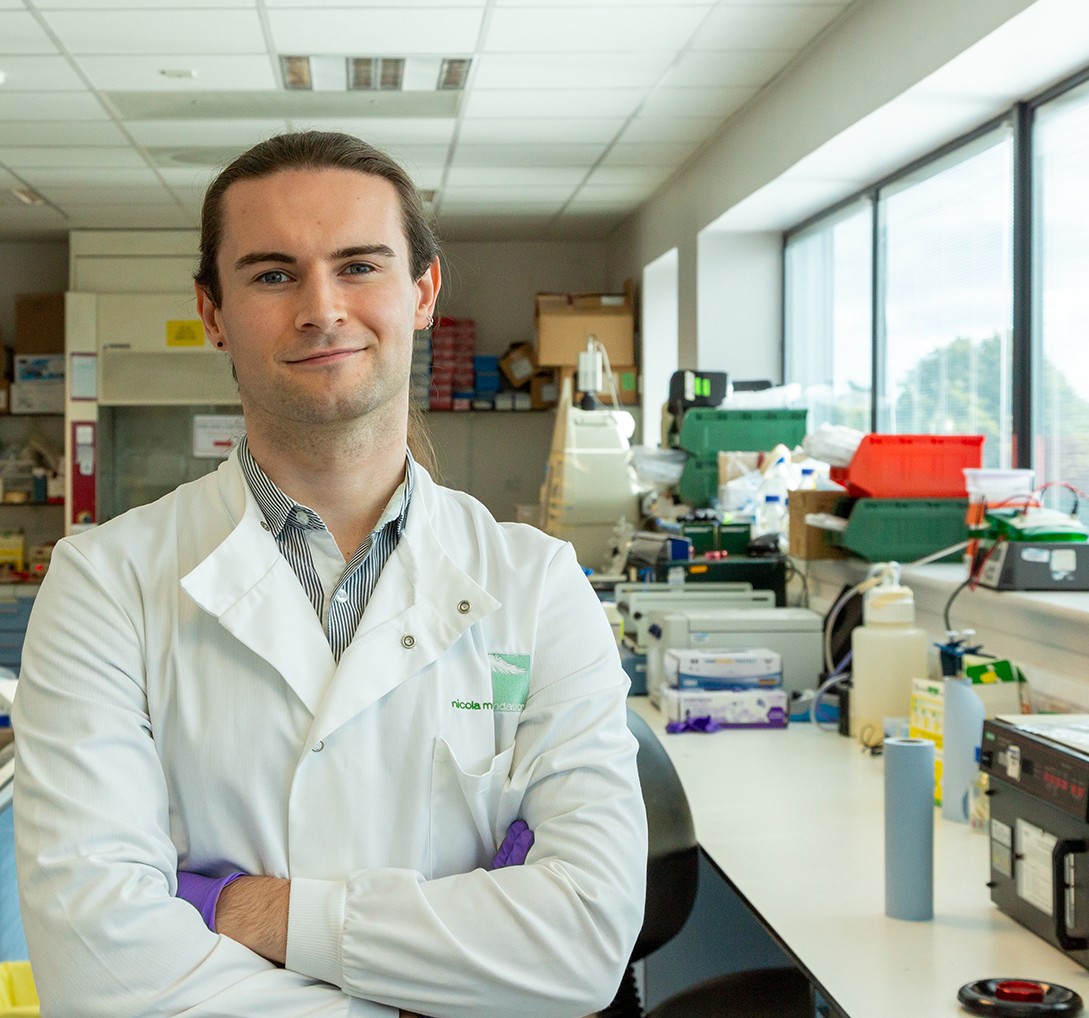
Lead researcher at the Institute of Genetics and Cancer and Cancer Research UK Scotland Centre Dr Robb Hollis ovarian cancer is one of the most challenging cancers to treat” due to the development of this resistance.
Looking to understand how a key transition in the body’s response and repair systems could be involved in how cancer cells respond to treatment, researchers will explore the flexible ‘epithelial’ cells which line organs and tissues to form protective barriers.
These cells can change their role to support cell repair – a process which can be hijacked by cancer cells, which then helps them spread across the body.
Director of Research at Cancer Research UK, Dr Catherine Elliott, said understanding how cancers interact with this usually protective cell process is “crucial to the ultimate goal” of improving outcomes and survival rates:
“The results of this study could significantly enhance our understanding of the mechanisms that underlie chemoresistance in ovarian cancer and could help lead to new treatment options for patients in the future.”
Research lead Dr Hollis said, by identifying the triggers of this process, the joint research project aims to deliver targeted treatments that can “make a real difference for ovarian cancer patients”.
The researchers hope to identify and deliver new therapeutic approaches that could be used to prevent or even reverse chemoresistance and the approaches developed could be fast-tracked into clinical trials.
The findings will also be relevant to other cancer types where this process is involved in the cancer’s resistance.
Read more: Scottish cancer cases set to keep rising; Microwaves offer less invasive cervical cancer therapy; Has progress been made on women's health?; High-fibre trial targets cancer treatment side effects; Scots urged to act fast on cancer; NHS saves £82m a year through outdoor spaces; At-home pessary care offers hope to prolapse patients; Scots patient first to join leukaemia study
Sign up to our bulletin for key health & social care updates straight to your inbox. Tags: Cancer; Life Sciences; Research & Innovation. |