|
Edinburgh GP to chair BMA in Scotland |
Related newsLess than full-time – behind the NHS trend Health and charity leaders join forces for NHS reform Probe into future of NHS Scotland’s doctors underway RCGP: Future of general practice model at risk NHS is working to address “unacceptable” abuse “Mayday”: voices from NHS emergency departments 
|
|
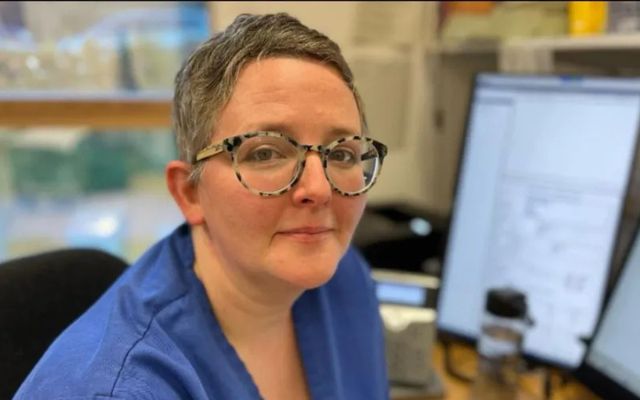
Image © BMA
Dr Nóra Murray-Cavanagh
|
||
|
||
|
An Edinburgh Deep End GP working in Wester Hailes has been elected unopposed as the new Chair of the British Medical Association’s Scottish Council. Dr Nóra Murray-Cavanagh, the first woman elected to the role since the 1960s, says it is a “privilege” to take up the post at a time she says of both “challenge and opportunity” for the profession.
Dr Murray-Cavanagh is currently the deputy chair of the Scottish Council of the BMA which, as well as being a professional association, is the lead trade union representing and negotiating on behalf of doctors.
She will serve a three-year term from next month’s meeting of the Council, taking over from Dr Iain Kennedy.
Dr Murray-Cavanagh’s colleagues describe her as having a longstanding commitment to tackling health inequalities, not least as one of Scotland’s network of Deep End GPs, and to improving the working lives of doctors.
She has been part of Scottish and UK BMA groups working on issues including gender equality, public health and medical ethics.
Dr Murray-Cavanagh says she is “honoured, and genuinely excited” at her election:
“Across Scotland, doctors and medical students are facing significant pressures, but we've also seen what can be achieved when we come together around a shared purpose. That sense of unity and momentum is something I want to build on during my time as chair.
“I want doctors and medical students to be able to finish the day proud they've been able to do the best they can for their patients.
“The hardest parts of our jobs should be the complexity of clinical care, the trauma both physical and psychological that patients carry, and the emotional demands on us in our roles caring for them. The hardest parts should not be worries about job security, pay, training opportunities, childcare, or the organisational barriers that make already demanding roles more difficult than they need to be.
“These challenges are not inevitable. I'm an optimist by nature and I believe that when we work together across the profession, and alongside governments and other partners, we can create careers in medicine that people are able to flourish and thrive in, not simply endure. And this is equally good news for patients. If we're serious about tackling Scotland's deep-rooted health inequalities, we need doctors who are supported, valued and able to work to the full extent of their skills and abilities.”
On being the first woman to take up the role since the 1960s, Dr Murray-Cavanagh says her election tells a wider story about the organisation and medical profession:
“I am proud of the significance of that milestone, but I see it as part of a wider story about representation and inclusion. Diverse leadership makes organisations stronger. It broadens perspectives, improves decision-making and helps people feel that they belong and can see themselves in leadership roles.”
Read more: BMA: 2026 can be “watershed moment” for NHS; Doctors say walk-in GP pilot won’t work; Community Link Workers reducing stress on GPs
Sign up to receive our bulletin for key health & social care updates straight to your inbox. |