|
Scotland’s doctors ‘trying not to lose hope’ |
Related newsHealth and charity leaders join forces for NHS reform Scots urged to act fast on head and neck cancer Insight: Sustaining standards under pressure GPs are the solution to NHS crisis, says College Partnership urges action over Scotland’s mental health NHS board savings push could see AI replace staff Aberdeen A&E first to offer routine HIV tests Aberdeen honours UK’s first occupational therapist AI for lung cancer care to help tackle “hidden killer” Struggling health board appoints new leader Health board escalated over deepening financial risk 
|
|
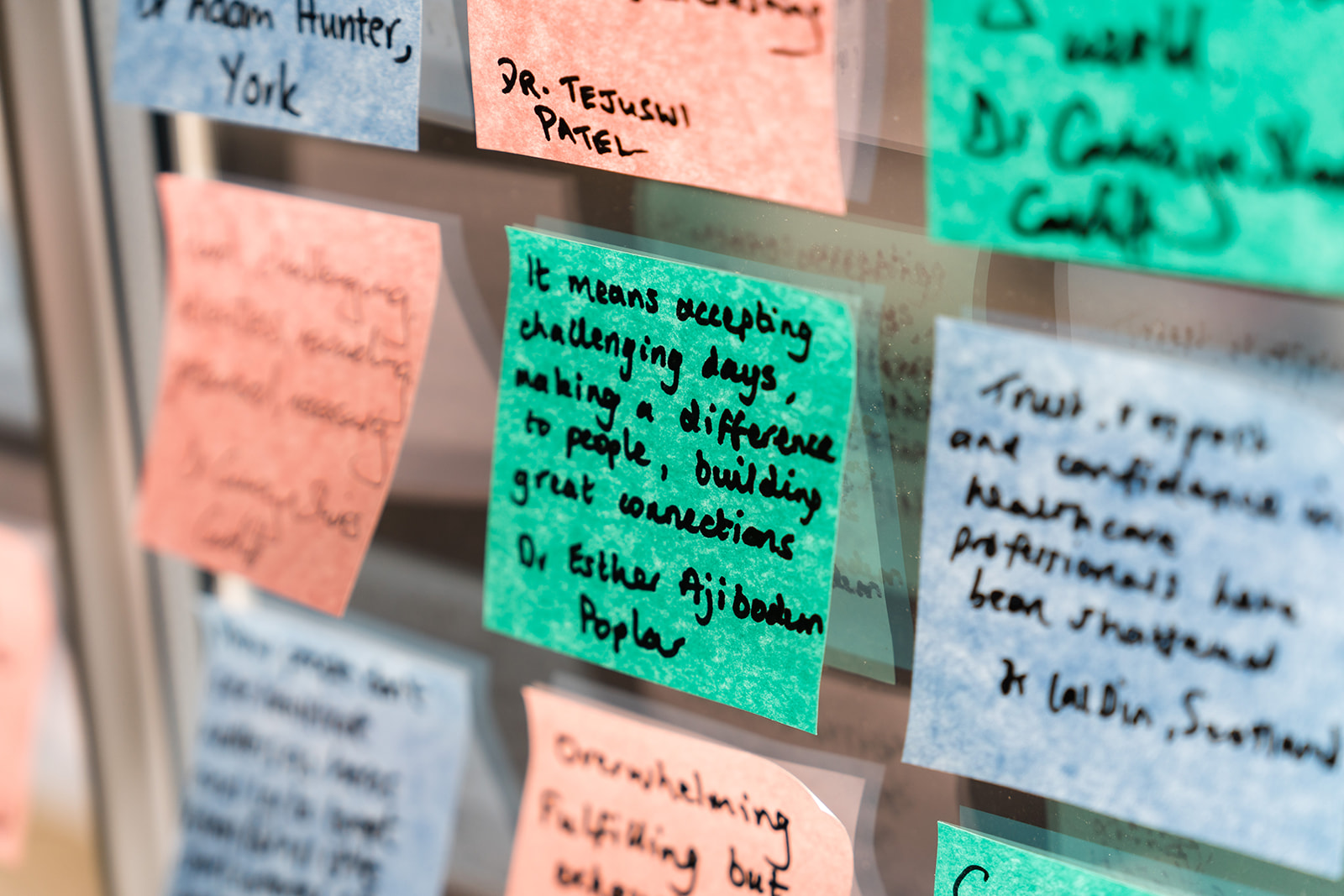
Image Credit: © MDDUS
|
||
|
||
|
A medical and dental legal support body says its members are experiencing increasing levels of anxiety amidst rising pressures, as the ‘extremely challenging’ past year saw a 15% increase in requests for advice.
A third of Medical and Dental Defence Union of Scotland (MDDUS) members responding to a survey say they are experiencing worse mental health and wellbeing than at the height of the pandemic.
The organisation. which has more than 54,000 doctor and dentist members across the UK, says it provided its doctors with almost 2,200 hours of professional advice in 2022 – a 15% increase compared to the year before.
One Scottish doctor’s testimony shared by MDDUS in its annual report said that “trust, respect and confidence in healthcare professionals have been shattered” since the pandemic.
Chris Kenny, MDDUS chief executive, said the organisation’s annual report published this week comes as a stark reminder of the extremely challenging circumstances healthcare professionals currently face:
“Most people, including me, probably believe they understand the incredible efforts doctors and dentists make to keep people safe and healthy.
“But regular survey evidence and reading replies from our members about their experiences on the frontline was a stark reminder of how difficult it has been for those providing our healthcare service.”
Pandemic challenges
An NHS Grampian GP shared their experience of being involved in a fatal accident inquiry with the medical team at MDDUS.
Despite the inquiry concluding that nothing could have been differently, the Elgin GP described feeling “devastated, anxious and worried” ahead of the legal process, as they described the “astronomical” increase in doctors’ workloads in the last two years:
“Being a GP is a vocation rather than a standard job. We go into it because we want the best possible care for our patients and the communities that we live in. It’s a privilege to look after people from cradle to grave.
“The changes are huge. The workload has gone up astronomically. People in society have changed. There is now an ‘Amazon culture’ where people want something and aren’t prepared to wait. We see quite a lot of lower-level conditions coming through. We have also seen an increase in mental health issues following lockdown.”
Of those who responded to MDDUS’s call for views, three in four GPs said they had experienced abuse from patients in 2022.
This report follows a call from the Royal College of GPs (RCGP) Scotland for the Scottish government to deliver key changes in doctor recruitment and retention, stating that general practice is the ‘cornerstone of our NHS’.
Overworked and under pressure
Additionally, the Grampian doctor said growing waits for secondary care has impacted both their practice and patients’ experiences.
Public Health Scotland statistics show the total waiting list for hospital-based care has increased by 87% since March 2020.
The GP told MDDUS that this has led to GPs practising medicine they wouldn’t have needed to before the pandemic:
“GPs will refer to secondary care when we have reached the ceiling of our competency, but if someone has been waiting for a hip operation for over a year, we need to help them in the meantime. So, we are practising medicine that we wouldn’t have needed to do before.
“There is a patient safety risk and also a quality-of-life issue. Often, once someone eventually gets their operation, their problem has usually advanced, making things more difficult to treat.”
Another Scottish doctor shared that “trust, respect and confidence in healthcare professionals have been shattered” since the pandemic.
A high proportion of junior doctors also told MDDUS that they worried about safe working and ensuring patient safety under current conditions – what MDDUS has said ‘paints a concerning picture’.
MDDUS say the findings reflect ‘a culture where long hours, poor working conditions, racism and verbal abuse’ has become the norm.
Earlier this year, a conference on leadership and women in the healthcare workforce heard calls for organisational and cultural change throughout NHS Scotland.
Meanwhile, as recently launched parliamentary inquiry into NHS dentistry will go uncompleted with the dissolution of the COVID-19 recovery committee, one Scottish dentist summed up their last working year as:
“Extremely busy, less NHS, more private, more stress.”
Yet, MDDUS also shared positive changes and staff reflections, including the organisation’s own commitment to achieve net zero by 2035 in their direct emissions and improved equality opportunity measures.
Another member summed up their past year by responding:
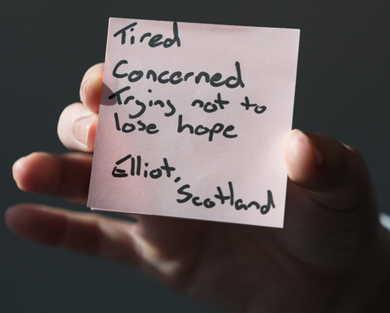
“Tired. Concerned. Trying not to lose hope.”
Read more: Can Scotland make health fairer?; College: Preserve GPs to preserve the NHS; Junior doctor strikes on pause; Diversity in healthcare – what can we do?; Auditor General: Difficult choices for Scotland's NHS
Sign up to our bulletin for key health & social care updates straight to your inbox and you can follow healthandcare.scot on Google News. |